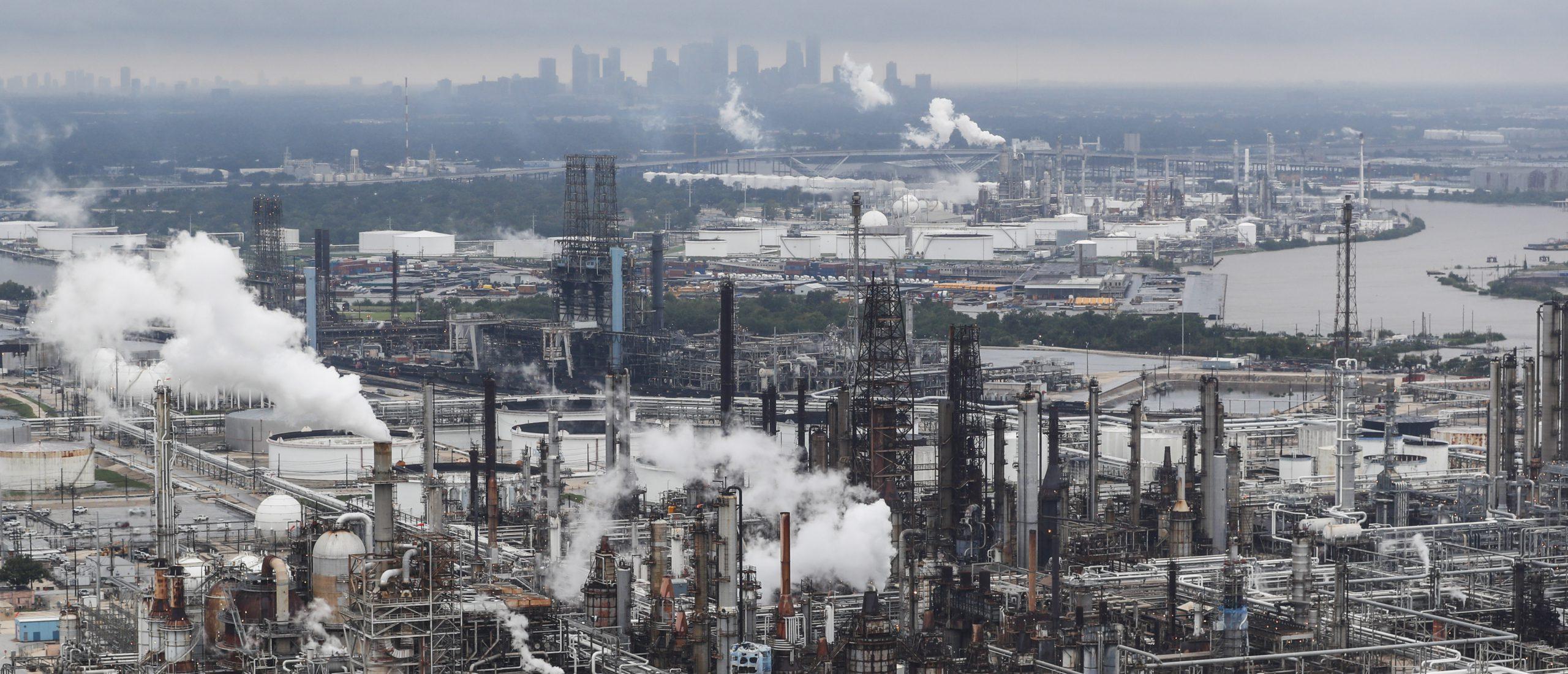
The petrochemical industry in the United States, a crucial driver of the country’s economy, is facing renewed scrutiny over its environmental and public health impacts. A recent report by Amnesty International sheds light on the toxic pollution generated by petrochemical facilities across the nation, raising urgent questions about the true cost of doing business in this powerful sector. As communities grapple with the fallout of hazardous emissions, the report calls for greater accountability and stricter regulations to protect vulnerable populations from the industry’s damaging footprint. This article explores the findings of Amnesty International’s investigation and examines the broader implications for industry, policymakers, and affected residents.
Petrochemical Plants and Their Impact on Community Health
The presence of petrochemical plants across many American neighborhoods has led to alarming health consequences for local communities. Emissions from these facilities often include a hazardous mix of volatile organic compounds (VOCs), particulate matter, and carcinogenic substances. Residents frequently report increased rates of respiratory illnesses, such as asthma and chronic bronchitis, along with a disturbing rise in certain cancers. Children and elderly populations are particularly vulnerable, suffering from elevated rates of hospitalizations linked to toxic air exposure. These health impacts are compounded by socioeconomic factors, as many affected areas are home to low-income or marginalized groups who face limited access to quality healthcare.
Beyond individual health, these plants contribute to broader environmental injustices, fueling a cycle of inequality and systemic neglect. Communities near petrochemical hubs contend with:
- Persistent foul odors affecting quality of life
- Water contamination risks due to chemical runoff
- Stress and mental health issues caused by ongoing environmental hazards
Efforts to pressure industry accountability have led to calls for stricter regulations and increased transparency. However, resistance from powerful petrochemical lobbies continues to hinder meaningful reform, highlighting a pressing need for policy action that prioritizes human health over corporate profits.
Environmental Justice and Vulnerable Populations in Industrial Zones
Across numerous industrial corridors in the USA, predominantly low-income communities and communities of color bear the brunt of toxic emissions from petrochemical plants. These vulnerable populations often face compounded health risks, including respiratory illnesses, cancer, and developmental disorders, caused by prolonged exposure to hazardous pollutants. Despite their proximity to blistering economic hubs, many residents lack adequate access to healthcare and live without sufficient environmental protections, raising urgent questions about equity and access to justice. The disproportionate concentration of pollution in these zones highlights systemic neglect and the pressing need for targeted regulatory reforms.
Key environmental justice concerns include:
- Unequal distribution of toxic air pollutants in minority communities
- Limited community participation in industrial permitting processes
- Inadequate government enforcement of pollution control policies
- Insufficient investment in pollution monitoring and public health initiatives
| Demographic Group | Average Air Toxin Exposure | Health Outcomes |
|---|---|---|
| Low-Income Minority Communities | 2.5x National Average | High Rates of Asthma & Cancer |
| Middle-Income Suburban Areas | 1.1x National Average | Moderate Respiratory Issues |
| Affluent Urban Neighborhoods | 0.6x National Average | Lower Pollution-Linked Ailments |
Regulatory Shortcomings and Corporate Accountability in the USA
Despite mounting evidence of environmental harm and public health risks, regulatory frameworks governing the petrochemical industry in the USA remain stubbornly inadequate. Gaps in enforcement, lax emission standards, and insufficient penalties have created a regulatory environment where corporate actors often prioritize profits over community safety. This leniency enables companies to continue operations with minimal accountability, frequently resulting in unchecked toxic pollution that disproportionately affects marginalized and low-income communities.
Key factors contributing to this systemic failure include:
- Fragmented oversight: Multiple agencies with overlapping jurisdictions lead to enforcement delays and loopholes.
- Regulatory capture: Industry influence over policy-making dilutes the effectiveness of environmental protections.
- Data transparency deficits: Limited public access to emissions data reduces external scrutiny and community advocacy capabilities.
| Regulatory Aspect | Current Status | Impact on Accountability |
|---|---|---|
| Enforcement Frequency | Infrequent inspections | Companies evade penalties |
| Emission Reporting | Voluntary or delayed submissions | Data gaps hinder monitoring |
| Penalty Severity | Minimal fines | Insufficient deterrents |
For genuine corporate accountability to materialize, comprehensive reforms are essential. Strengthening enforcement mechanisms, ensuring transparent public reporting, and mitigating industry influence over regulatory bodies must become priorities to safeguard communities from the ongoing toxic fallout of petrochemical production.
Policy Recommendations for Reducing Toxic Emissions and Protecting Residents
Strengthening regulatory frameworks must be at the forefront of policy action. Federal and state agencies should enforce stricter emission limits tailored specifically to the petrochemical sector, ensuring accountability through regular, transparent reporting mechanisms. Implementing real-time air quality monitoring around industrial facilities will empower communities and regulators alike to identify violations promptly. Additionally, incentivizing the adoption of cutting-edge pollution control technologies can drive meaningful reductions in toxic releases, fostering safer environments without compromising economic viability.
A holistic approach to protecting residents involves prioritizing those most vulnerable to pollution’s effects. Policies should mandate comprehensive health impact assessments before project approvals, factoring in cumulative emissions from multiple sources. Environmental justice must guide decision-making, guaranteeing equitable distribution of resources for medical support and community resilience programs. Collaboration between government, industry, and local organizations can create tailored mitigation strategies, such as creating buffer zones and improving emergency response plans, to minimize exposure risks for nearby populations.
Concluding Remarks
As the petrochemical industry continues to be a cornerstone of the American economy, the urgent need to address its toxic legacy cannot be ignored. Amnesty International’s investigation sheds light on the environmental and human costs that come with these industrial practices, raising critical questions about accountability and regulatory oversight. Moving forward, policymakers, industry leaders, and communities must engage in honest dialogue and decisive action to ensure that economic growth does not come at the expense of public health and environmental justice. The true cost of doing business in the USA must include a commitment to sustainable and equitable practices that protect both people and the planet.