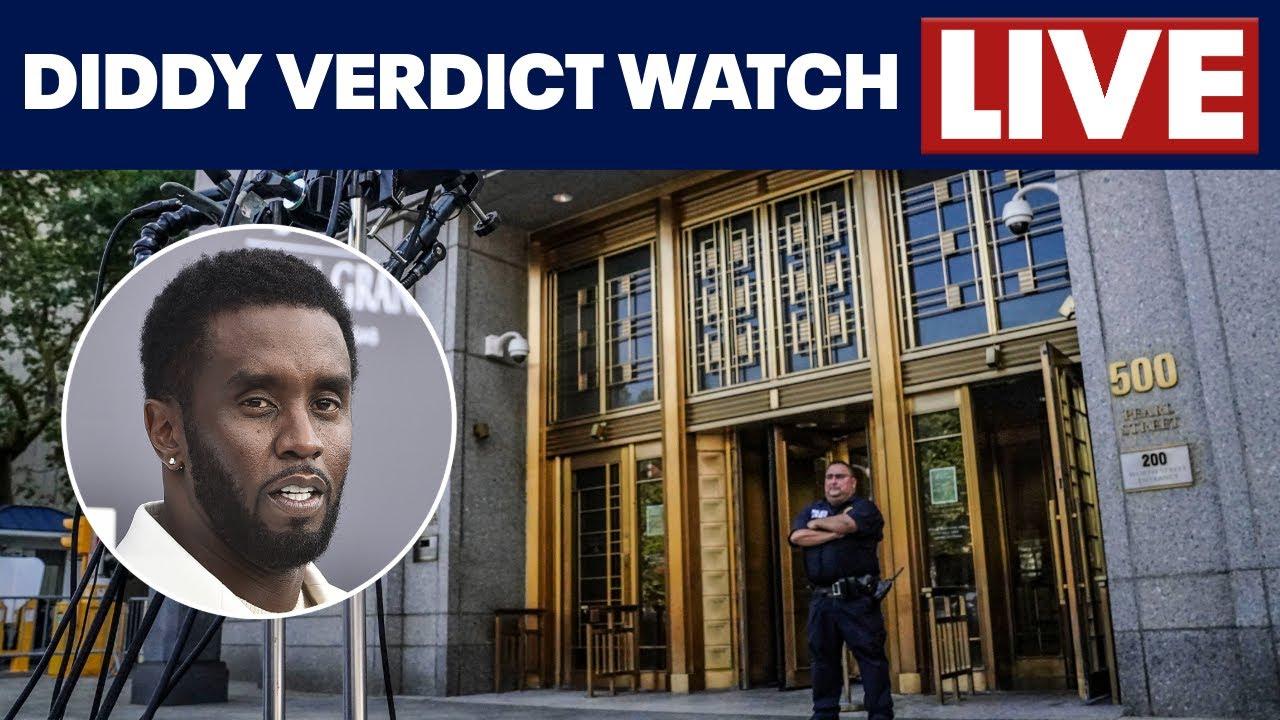
In a tense development at the high-profile trial of music mogul P Diddy, jurors have commenced deliberations after closing arguments were presented in the courtroom. However, the process has already faced an early hurdle, as the jury foreperson alerted the judge that one juror may be unwilling to adhere to the court’s instructions. The incident adds a layer of uncertainty to the proceedings as the case edges toward a potential verdict, drawing intense public and media scrutiny. This article provides a comprehensive recap of the trial’s key moments leading up to this critical stage.
Jury Commences Deliberations in High-Profile P Diddy Trial
The jury in the much-watched P Diddy trial has officially begun their deliberations after receiving final instructions from the judge. Tensions rose in the courtroom as one juror expressed reservations about fully adhering to the judge’s guidance, signaling potential challenges ahead in reaching a unanimous verdict. The case, which has drawn national attention due to its high-profile defendant and complex legal issues, now moves into a critical phase where the fate of the involved parties lies solely in the hands of the jurors.
During the proceedings, several key points were emphasized by both prosecution and defense to sway the jury’s decision. Observers noted the following pivotal aspects under discussion:
- Credibility of witness testimonies brought forth during the trial
- Evidence integrity and how it aligns with the defense narrative
- The implications of juror dissent and internal deliberation dynamics
| Aspect | Potential Impact |
|---|---|
| Witness Credibility | Can sway opinions positively or negatively |
| Evidence Integrity | Supports or weakens case arguments |
| Juror Dissent | May delay or complicate verdict decision |
Concerns Raised Over Juror Compliance with Court Instructions
During the early stages of deliberation in the P Diddy trial, court officials raised alarms about one juror’s potential unwillingness to adhere strictly to the judge’s instructions. This development poses significant challenges to the judicial process, as strict compliance with court directives is essential to ensuring a fair verdict. Observers noted that the warning came after internal discussions indicated the juror might be influenced by external factors, potentially jeopardizing the impartiality expected within the deliberation room.
Key points highlighted by the court:
- All jurors must base their decision solely on evidence presented during the trial.
- Any deviation from provided instructions risks a mistrial or legal repercussion.
- Judges retain the authority to address and, if necessary, replace a non-compliant juror.
| Juror Compliance Metrics | Status |
|---|---|
| Initial Warnings Issued | 1 Juror |
| Potential for Mistrial | High |
| Judge’s Interventions Possible | Yes |
Implications of a Potentially Noncompliant Juror on Trial Outcome
The presence of a juror who may disregard court instructions raises significant concerns about the integrity of the trial process and the fairness of the verdict. Such noncompliance can lead to a mistrial or even an appeal if the final judgment is perceived to have been influenced by biased or uninformed decision-making. In high-profile cases like P Diddy’s trial, where public scrutiny is intense, the actions of a single juror have the potential to shape both the narrative and outcome significantly.
- Risk of hung jury: A juror dismissing judicial guidance can cause deadlock, prolonging the trial and increasing costs.
- Compromised impartiality: Deliberations may shift from evidence-based to emotionally or personally motivated considerations.
- Legal ramifications: Grounds for retrial or appellate review centered on juror misconduct.
Judicial bodies closely monitor juror behavior, employing measures to mitigate noncompliance, but the damage can already affect the trial’s momentum. Transparency and instructions reinforcement during deliberations are crucial to ensuring all jurors understand their responsibilities. Ultimately, the effectiveness of these procedures could determine the validity and acceptance of the jury’s verdict.
| Potential Impact | Effect on Trial |
|---|---|
| Juror defiance | Delays & mistrial risk |
| Inconsistent deliberation | Unpredictable verdicts |
| Appeal chances | Increased scrutiny |
Legal Experts Advise Strategies for Navigating Jury Challenges
Legal professionals emphasize the importance of establishing clear communication channels between judges and jurors to address any signs of dissent effectively. When a jury member shows reluctance to follow instructions, timely interventions such as private questioning or clarifications can prevent mistrials and ensure the integrity of deliberations. Experts recommend that defense and prosecution teams prepare for potential disruptions by anticipating juror misunderstandings and advocating for detailed jury guidance.
Key strategies advised by legal experts include:
- Regular monitoring of jury conduct through court-appointed personnel
- Prompt reporting mechanisms for jurors expressing confusion or dissent
- Implementing supplemental instructions to clarify complex legal concepts
- Encouraging open dialogue during jury selection to identify potential challenges
| Strategy | Purpose | Expected Outcome |
|---|---|---|
| Clear Jury Instructions | Reduce confusion | Smoother deliberations |
| Private Juror Questioning | Identify issues early | Prevent mistrials |
| Detailed Selection Process | Spot potential biases | More impartial jury |
In Retrospect
As the P Diddy trial moves into its final phase, all eyes remain fixed on the jury’s deliberations amid concerns over one juror’s adherence to procedural instructions. The outcome of this high-profile case could have far-reaching implications, underscoring the importance of impartiality in the courtroom. USA Today will continue to monitor the situation closely and provide updates as this pivotal moment unfolds.