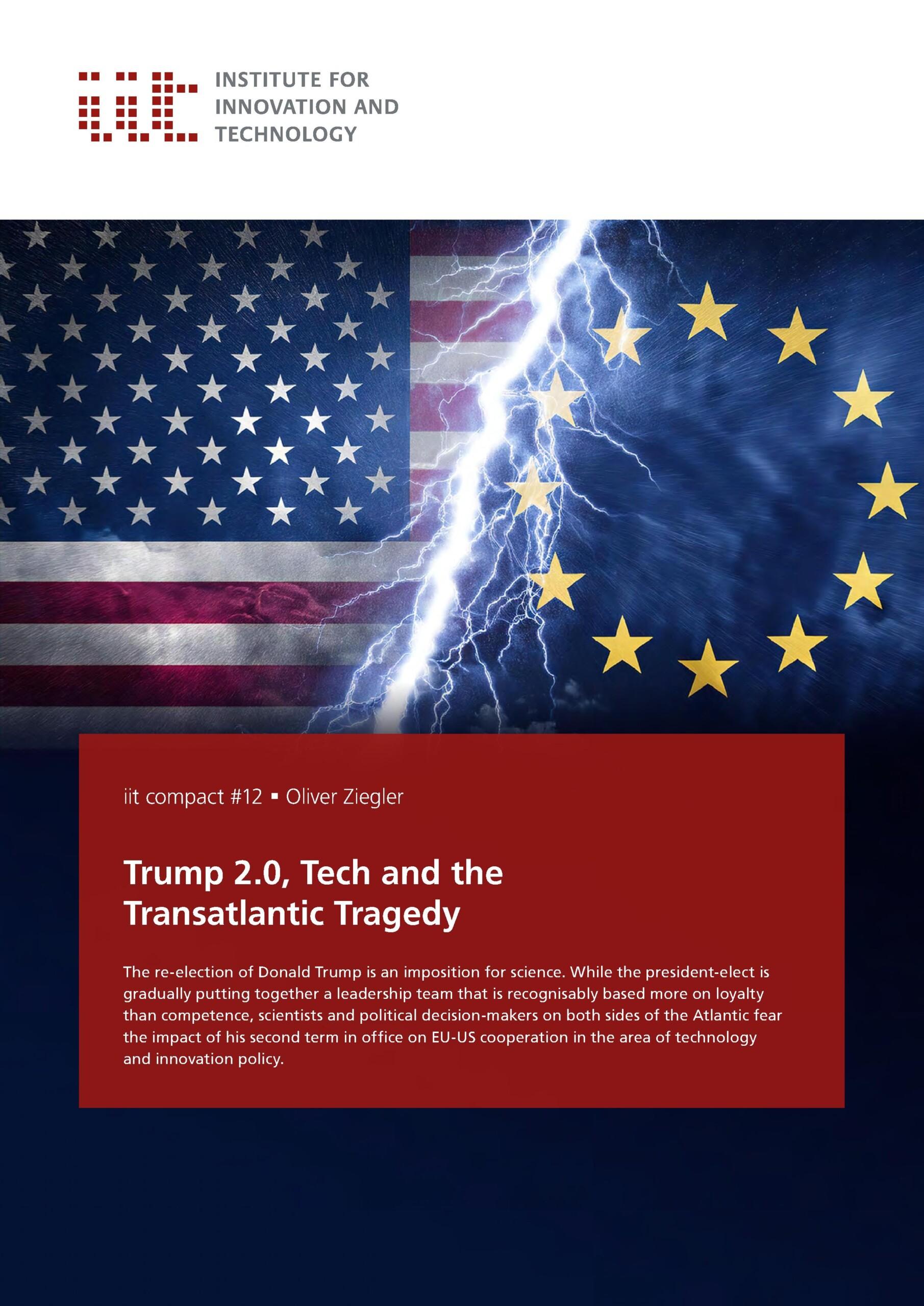
The political landscape in the United States is witnessing the resurgence of a familiar yet transformed figure: Donald Trump. Often branded as an “anti-elite” populist, Trump’s return to the forefront of American politics challenges conventional definitions of elitism and power. At Sciences Po, scholars are closely examining this paradoxical phenomenon—dubbed “Trump 2.0”—which encapsulates the rise of an “anti-elite” elite whose influence reshapes political discourse and voter alignments. This article delves into the dynamics behind Trump’s renewed appeal, exploring how his brand of politics navigates the intricate tensions between establishment rejection and elite dominance in contemporary U.S. governance.
Trump 2.0 and the Transformation of the American Political Elite
The emergence of Trump 2.0 marks a pivotal shift in the composition and self-perception of the American political elite. Unlike the traditional elite characterized by long-standing political careers and technocratic governance, this new cohort embraces an “anti-elite” posture, positioning themselves as outsiders while firmly embedded within the structures of power. This paradox has reshaped political alignments and discourse, blending populist rhetoric with strategic elite practices. The ascendancy of this group reflects a broader transformation where authenticity and performative rebellion against establishment norms have become key currencies in political capital.
Key characteristics defining this transformed elite include:
- Disruptive Communication: Utilizing direct, often unfiltered communication channels, such as social media, to circumvent traditional media gatekeepers.
- Anti-Institutional Identity: Crafting a narrative that distrusts and challenges established institutions even while relying on their authority.
- Hybrid Governance Styles: Combining populist appeals with pragmatic policymaking, creating a flexible yet firm grip on power.
| Traditional Elite | Trump 2.0 Elite |
|---|---|
| Bureaucratic expertise | Media savvy and personal brand |
| Policy-driven discourse | Symbolic and performative appeals |
| Insider networking | Populist outreach with insider access |
The Appeal of Anti-Elite Rhetoric in Modern US Politics
In recent years, the political landscape in the United States has witnessed an unprecedented surge in rhetoric that challenges established institutions and the traditional ruling class. This discourse, often branded as “anti-elite,” paradoxically originates from figures who themselves belong to the elite, creating a complex dynamic of power and populism. The appeal lies in a narrative that positions these leaders as outsiders fighting against a corrupt, out-of-touch establishment, despite their entrenched status. By framing themselves as champions of the “common people,” these politicians tap into widespread sentiments of disenfranchisement and skepticism toward conventional political actors, creating a potent emotional connection with voters.
Key elements underpinning this rhetoric include:
- Anti-establishment messaging that criticizes bureaucratic inefficiency and political correctness.
- Populist promises that emphasize national pride, economic protectionism, and a return to traditional values.
- Us-versus-them framing that isolates perceived elites as the source of economic and cultural woes.
This strategy has proven effective in galvanizing a base that feels overlooked, yet it often blurs the lines between genuine outsider status and carefully crafted image management by established actors.
| Rhetorical Strategy | Typical Usage | Impact on Voters |
|---|---|---|
| Anti-Corruption | Highlighting scandals within political lobbyists | Builds trust in speaker’s reformist image |
| Nationalism | Emphasizing “America First” policies | Strengthens identity-based loyalty |
| Populist Outrage | Condemning media and elites for ignoring ‘real issues’ | Mobilizes emotional support and anger |
Implications for Democratic Institutions and Political Discourse
As this new iteration of political leadership reshapes the American landscape, traditional democratic institutions face unprecedented challenges. The rise of an “anti-elite” elite disrupts established norms by leveraging populist rhetoric to question the legitimacy of the judiciary, the press, and electoral processes. This dynamic fuels a climate where institutional trust erodes, leading to increased polarization and skepticism towards governance structures. Public confidence, once anchored in procedural fairness and transparency, now contends with narratives positioning elites as either saviors or oppressors, blurring the lines between accountability and political theater.
Political discourse itself is undergoing a profound transformation, marked by a fragmentation of public debate and digital echo chambers. These shifts give rise to new modes of engagement characterized by:
- Hyper-partisan media: Amplifying ideological divides and shaping perception through selective coverage.
- Direct leader communication: Bypassing traditional media filters via social platforms, fostering unmediated emotional connections.
- Conspiratorial framing: Undermining consensus by promoting skepticism towards expertise and factual reporting.
These factors collectively challenge the foundational principles of deliberative democracy, where consensus-building and informed dialogue are critical. Without strategic reform focused on media literacy, institutional integrity, and civic education, the very fabric of democratic engagement risks unraveling under the strain of intensified populism.
Strategies for Addressing Elite Populism in Future Elections
Countering the surge of “anti-elite” elites requires multifaceted approaches that go beyond traditional campaign tactics. Political actors must rebuild trust in institutional governance by promoting transparency, accountability, and tangible policy outcomes. Emphasizing grassroots engagement and local problem-solving can restore faith among disillusioned voters who perceive mainstream politics as detached from their daily realities. Furthermore, fostering open dialogues that directly address citizens’ economic anxieties and cultural grievances is crucial in defusing populist appeals that thrive on polarization.
Innovative strategies to neutralize elite populism must also focus on reshaping media ecosystems and information dissemination channels. Here are key measures to consider:
- Strengthening fact-checking initiatives in real-time to curb misinformation.
- Investing in civic education to cultivate critical media literacy among younger generations.
- Encouraging diverse representation within political institutions to reflect broader societal interests.
| Strategy | Objective | Impact |
|---|---|---|
| Transparency Initiatives | Restore public trust | Lower populist rhetoric appeal |
| Local Engagement | Address community issues | Strengthen voter connection |
| Media Literacy Programs | Enhance critical thinking | Reduce misinformation effects |
Wrapping Up
As Trump 2.0 continues to reshape the contours of American politics, the emergence of an “anti-elite” elite signals a paradox at the heart of the current political landscape. This new faction, blending populist rhetoric with established power, challenges traditional definitions of leadership and allegiance in the United States. Sciences Po’s analysis underscores the complexity of this shift, highlighting how political identities are being reconfigured in real time. As the nation grapples with these evolving dynamics, understanding the rise of this hybrid elite will be essential for anticipating the future of U.S. governance and its broader implications on democracy.