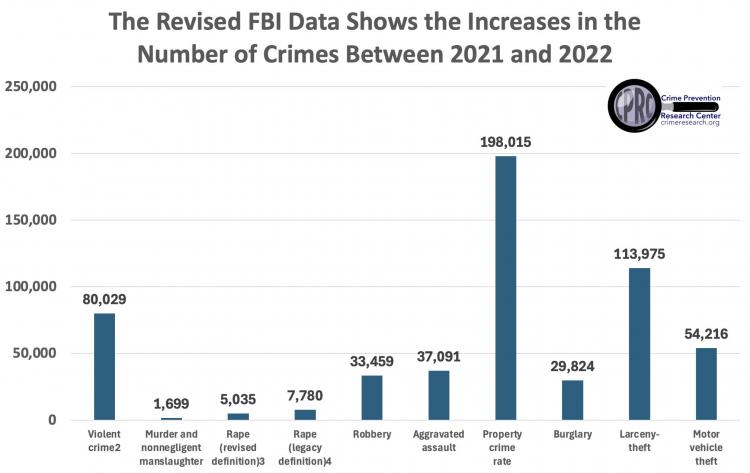
In recent years, questions surrounding the accuracy and reliability of U.S. crime statistics have gained increasing attention from law enforcement officials, policymakers, and the public alike. Traditional methods of collecting and reporting crime data often suffer from delays, inconsistencies, and underreporting, painting an incomplete picture of the nation’s safety landscape. This article explores the inherent flaws in current crime reporting systems and highlights how real-time data technology—pioneered by platforms such as Police1—can revolutionize crime tracking, enabling faster responses and more informed decision-making in the fight against crime.
Challenges in Current Crime Reporting Frameworks and Their Impact on Data Accuracy
The existing crime reporting systems in the U.S. are plagued by inconsistencies and delays that significantly hinder the reliability of nationwide statistics. Agencies often rely on manual data entry and paper-based reports, which can lead to errors, omissions, and time lags in submitting information. Additionally, variations in how jurisdictions classify and record crimes create discrepancies that make it difficult to compare or aggregate data accurately. These issues are compounded by underreporting, as victims or witnesses may not always come forward, and some law enforcement departments lack the resources to capture the full scope of criminal activity.
- Fragmented Data Collection: Different standards and protocols across agencies
- Time Lags: Delayed reporting inhibits timely analysis and response
- Resource Constraints: Limited staff and outdated systems
- Classification Challenges: Inconsistent categorization of offenses
These challenges have real-world consequences on policymaking, law enforcement resource allocation, and public trust. For instance, inaccurate statistics can misrepresent crime trends, leading to either an overestimation or underestimation of public safety threats. The table below illustrates how misclassification can skew crime category percentages based on preliminary versus validated reports:
| Crime Category | Preliminary Reports (%) | Validated Reports (%) |
|---|---|---|
| Theft | 45 | 38 |
| Assault | 30 | 35 |
| Drug Offenses | 15 | 18 |
| Other | 10 | 9 |
The Role of Underreporting and Classification Errors in Skewing National Crime Statistics
Underreporting significantly distorts the accuracy of national crime data, as many incidents never reach law enforcement agencies. Victims may choose not to report crimes due to fear of retaliation, mistrust in the justice system, or social stigma. Additionally, some crimes, such as domestic violence and sexual assault, remain vastly underreported. This invisible portion of crime creates a misleading narrative, often downplaying the true scale of safety concerns across communities. Moreover, inconsistencies in how police departments classify offenses contribute further to data unreliability, making cross-jurisdictional comparisons challenging and policy responses less effective.
Classification errors occur when crimes are either miscategorized or downgraded to lesser offenses, often as a result of subjective interpretation or administrative pressure. For example:
- Violent assaults may be recorded as simple assaults.
- Theft incidents could be logged under ambiguous property crimes.
- Drug-related offenses sometimes go unreported or bundled under other charges.
| Crime Type | Estimated Underreporting Rate | Impact on National Data (%) |
|---|---|---|
| Domestic Violence | 70% | 30% |
| Sexual Assault | 65% | 25% |
| Theft | 40% | 15% |
Such distortions limit policymakers’ ability to allocate resources efficiently and undermine public trust in crime statistics. Incorporating real-time data collection methods could help bridge these gaps, offering a more dynamic and representative view of crime trends nationwide.
How Real-Time Data Integration Can Enhance Transparency and Responsiveness in Policing
Integrating real-time data into policing operations revolutionizes the way law enforcement agencies handle transparency and responsiveness. With live data feeds, agencies can immediately share critical information with the public, fostering greater trust in police work. This real-time visibility enables communities to see accurate incident reports as they unfold, reducing misinformation and speculation. Additionally, officers benefit from instant access to evolving intelligence, allowing faster, more informed decision-making in potentially volatile situations.
Key advantages of real-time data integration include:
- Immediate public updates, curbing rumors and enhancing community relations
- Accelerated dispatch and resource deployment based on live crime mapping
- Data-driven accountability with timestamped records of officer actions and responses
| Benefit | Impact on Policing |
|---|---|
| Enhanced Transparency | Builds public confidence through constant information flow |
| Faster Response Times | Allocates resources quickly to emerging hotspots |
| Improved Accountability | Documents precise actions for internal and external review |
Implementing Advanced Analytics Tools to Drive Informed Decision Making and Policy Reform
Integrating sophisticated analytics platforms within law enforcement agencies enables a dynamic approach to interpreting crime data beyond traditional reporting methods, which often suffer from delays and inaccuracies. By harnessing machine learning algorithms and predictive models, agencies can identify emerging crime patterns and allocate resources more effectively. These tools offer real-time insights that transcend static databases, ensuring that policymakers and officers respond promptly to community needs and shifting criminal behaviors.
Implementing advanced analytics facilitates a transparent and data-driven decision-making process that can underpin meaningful policy reforms. For example, analyzing demographic and geographical variables in conjunction with offense types can reveal systemic biases or areas requiring targeted intervention. Below is a simplified overview of how enhanced analytics compares with conventional methods in aiding law enforcement objectives:
| Feature | Conventional Reporting | Advanced Analytics |
|---|---|---|
| Data Timeliness | Monthly or quarterly updates | Real-time processing and alerts |
| Predictive Capability | None | Forecast hotspots and trends |
| Bias Detection | Limited analysis | Comprehensive detection and reporting |
| Policy Impact | Reactive adjustments | Proactive, evidence-based reforms |
- Improved resource allocation based on real-time crime trends
- Enhanced community trust through transparent data sharing
- Reduction of reporting errors via automated verification systems
To Wrap It Up
In conclusion, the longstanding challenges surrounding the accuracy and timeliness of U.S. crime statistics hinder effective policy making and public understanding. As traditional reporting methods fall short, the adoption of real-time data collection and analysis emerges as a vital tool in addressing these gaps. By leveraging technology to provide more immediate, transparent, and granular insights, law enforcement agencies and communities alike can benefit from a clearer picture of crime trends. Moving forward, integrating real-time data into national crime reporting frameworks could mark a significant step toward more reliable statistics and better-informed strategies to enhance public safety.