
Decoding the Fluctuations in U.S. Homicide Rates: From the 2020 Surge to the 2024 Downtrend
The 2020 Homicide Surge: Pandemic Disruptions and Social Strains
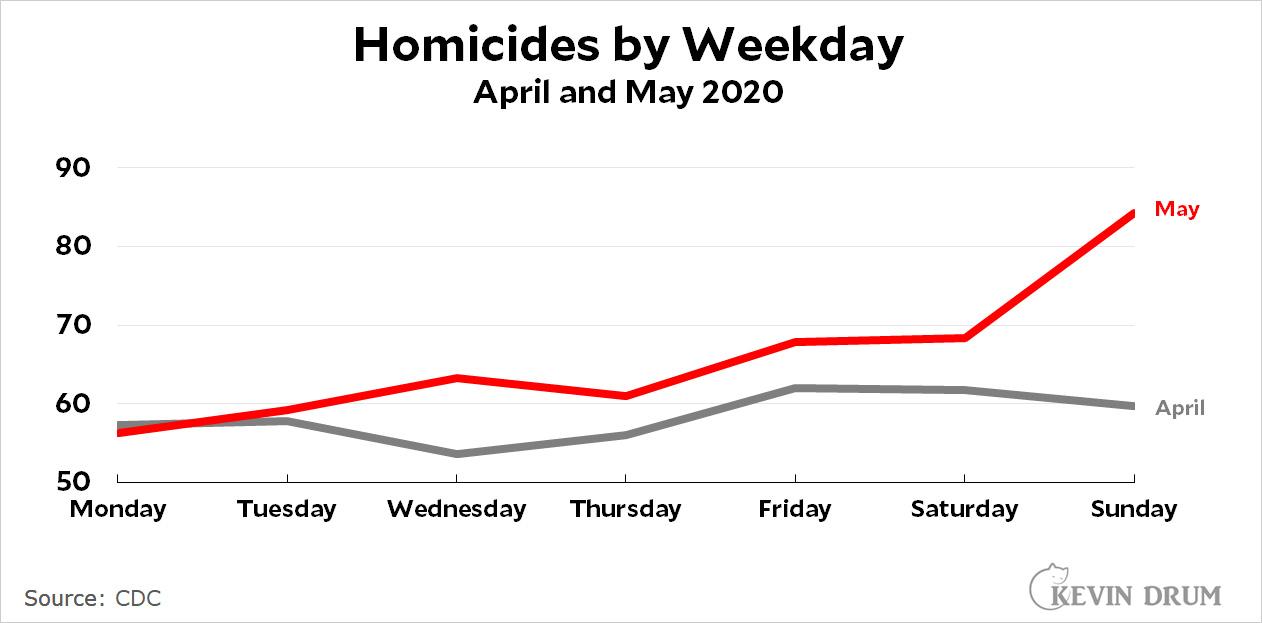
In 2020, the United States experienced a significant rise in homicide rates, largely influenced by the upheavals triggered by the COVID-19 pandemic. The widespread health crisis disrupted social structures and economic stability, weakening community ties and challenging conventional law enforcement strategies. Several pivotal factors fueled this increase:
- Financial distress: The surge in unemployment and economic uncertainty intensified stress levels within families and public spaces.
- Social isolation and mental health challenges: Extended lockdowns limited social interactions and access to mental health resources, exacerbating emotional strain and reducing peaceful conflict resolution options.
- Policing adaptations: Increased public demands for police reform and accountability led to changes in enforcement tactics, sometimes diminishing deterrence effectiveness.
- Spike in firearm purchases: A notable rise in gun ownership contributed to a more volatile environment prone to deadly encounters.
These combined pressures resulted in a nationwide escalation in homicides, impacting urban and suburban areas alike. Nevertheless, the following years have demonstrated a significant decline, highlighting the resilience of social systems and policy interventions. Key measures driving this improvement include:
- Renewed emphasis on community policing and violence interruption programs.
- Expansion of mental health support and social services as pandemic restrictions eased.
- Targeted law enforcement efforts focusing on violent offenders and criminal networks.
- Public education campaigns encouraging responsible firearm ownership.
| Year | Homicide Rate (per 100,000) | Dominant Influencing Factor |
|---|---|---|
| 2020 | 7.8 | COVID-19 disruptions and heightened social tensions |
| 2021 | 7.1 | Initial recovery and intervention efforts |
| 2022 | 6.3 | Expanded mental health and social support |
| 2023 | 5.4 | Community engagement and focused policing |
| 2024 (forecast) | 4.9 | Continued violence reduction strategies |
Economic Recovery and Community Initiatives Driving Crime Decline
The steady economic recovery following the initial pandemic shock has played a crucial role in reducing crime rates across many American cities. As unemployment rates dropped and government stimulus packages supported household incomes, communities found relief from the financial hardships often linked to increased violence. This economic stabilization also revitalized access to essential social programs that address the root causes of criminal behavior. Key factors contributing to this positive shift include:
- Improved employment landscape: Greater job availability eased economic desperation.
- Strengthened social safety nets: Increased funding for mental health services and housing assistance provided vital support to vulnerable groups.
- Community revitalization efforts: Targeted redevelopment projects fostered safer and more economically vibrant neighborhoods.
Equally impactful have been grassroots programs that foster trust and collaboration between residents and law enforcement. Local organizations have launched violence interruption initiatives and outreach campaigns that enhance social cohesion and proactive crime prevention, often outperforming purely punitive measures. Illustrative examples of these programs and their outcomes include:
| Initiative | Objective | Results |
|---|---|---|
| Conflict Mediation Workshops | Mitigating retaliatory violence | 25% reduction in revenge-related incidents |
| Youth Skills and Employment Programs | Providing education and job opportunities | 18% drop in juvenile delinquency |
| Community-Focused Policing | Enhancing police-resident relationships | Improved cooperation and fewer violent confrontations |
Advancements in Policing: Leveraging Data to Boost Urban Safety
In reaction to the homicide increase, police departments nationwide have adopted cutting-edge reforms centered on data analytics to proactively address violent crime. Moving beyond conventional tactics, many agencies have implemented intelligence-led policing, harnessing real-time crime statistics, social network analysis, and predictive modeling. These innovations allow for early detection of violence hotspots and enable tailored interventions that meet specific community needs.
Notable strategies include:
- Targeted deterrence: Focusing on repeat offenders with alternatives to violence and supportive services.
- Transparency measures such as public crime data dashboards to foster accountability.
- Collaborative partnerships integrating social services to address root causes like poverty and substance abuse.
- Use of body-worn cameras combined with data reviews to enhance officer behavior and response times.
| Year | Homicide Rate (per 100,000) | Policing Reform Focus |
|---|---|---|
| 2020 | 7.8 | Crisis response and emergency management |
| 2022 | 6.2 | Data-driven hotspot policing |
| 2024 | 4.9 | Community collaboration and prevention tactics |
Policy Frameworks for Long-Term Violence Mitigation
To sustain and enhance the recent reductions in homicide rates, a holistic policy approach is imperative—one that extends beyond enforcement alone. Emphasizing community-centered programs such as violence interruption and accessible mental health care is critical for enduring success. Tackling systemic disparities through expanded economic opportunities, affordable housing, and quality education can alleviate the social conditions that often precipitate violence. Furthermore, reforming policing to prioritize de-escalation and accountability is essential for rebuilding community trust.
Advancing data-driven tools will facilitate early identification of emerging violence clusters, while inclusive public safety planning must engage diverse community voices to develop culturally sensitive solutions. The table below outlines key focus areas alongside their strategic actions and expected outcomes:
| Focus Area | Strategic Actions | Expected Outcomes |
|---|---|---|
| Economic Empowerment | Job training and employment placement programs | Decrease in poverty-driven crime |
| Community Policing | Strengthened officer accountability and transparency | Improved police-community relations |
| Violence Prevention | Conflict resolution and mediation initiatives | Reduction in retaliatory violence |
| Mental Health Services | Expanded access to counseling and crisis intervention | Lower rates of impulsive and crisis-related violence |
Future Outlook: Maintaining Momentum in Public Safety
The dramatic rise in homicides during 2020 stemmed from a complex interplay of social, economic, and health crises. As the nation has gradually regained stability, a blend of innovative policing, community involvement, and socioeconomic progress has driven a notable decline in violent crime through 2023 and into 2024. Sustained commitment to comprehensive strategies remains essential to uphold this positive trend and address the underlying causes of violence within American communities.