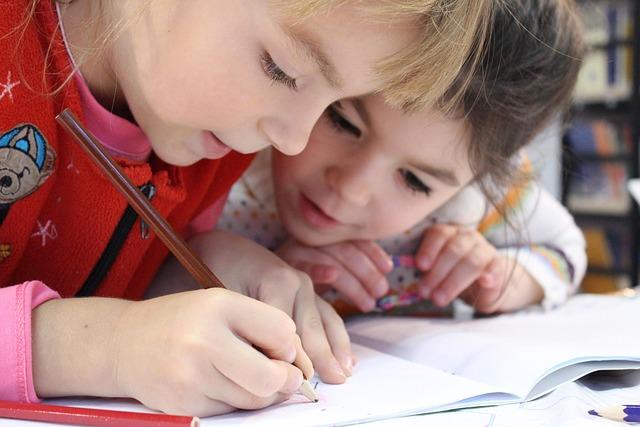
In a bold stride toward gender equality, UNICEF USA is intensifying its commitment to education for girls worldwide. Recognizing education as a fundamental right and a critical driver of social progress, the organization is spearheading initiatives aimed at breaking down barriers that prevent millions of girls from accessing quality schooling. As global challenges such as poverty, discrimination, and conflict continue to impede educational opportunities, UNICEF USA’s efforts spotlight the urgent need for sustained investment and advocacy to empower girls through learning and unlock their full potential.
UNICEF’s Strategic Initiatives to Improve Girls’ Access to Education
UNICEF is driving transformative change by deploying targeted programs that address the multifaceted barriers limiting girls’ education worldwide. Central to their approach is community engagement, where local leaders and families are equipped and motivated to support girls’ schooling. Initiatives include scholarships specifically for girls, building gender-sensitive school facilities, and providing safe transportation options. Beyond infrastructure, UNICEF champions curriculum reforms that foster inclusivity and empower girls with life-skills and leadership training, enabling them to thrive both inside and outside the classroom.
To monitor progress and ensure accountability, UNICEF employs a rigorous data-driven framework that tracks enrollment, retention, and learning outcomes. Their strategic partnerships with governments, NGOs, and the private sector amplify resources and innovation, creating ecosystems conducive to education equity. Key focus areas include:
- Eliminating child marriage and gender-based violence that disrupt girls’ education
- Expanding digital learning tools tailored to girls in underserved areas
- Advocating policy reforms for universal access to secondary education
| Initiative | Key Impact | Regions Targeted |
|---|---|---|
| Safe School Spaces | 90% reduction in absenteeism | Sub-Saharan Africa, South Asia |
| Digital Learning Kits | Improved engagement by 75% | Rural Latin America, Southeast Asia |
| Scholarship Programs | Increased secondary completion rates | Middle East, East Africa |
Addressing Barriers: Tackling Gender Inequality and Social Challenges
Despite significant progress, gender inequality continues to create formidable obstacles for girls seeking education across the globe. Cultural norms, early marriages, and safety concerns often restrict girls’ access to learning opportunities. UNICEF actively collaborates with communities, governments, and partners to dismantle these barriers by promoting gender-sensitive curricula, advocating for policy reforms, and strengthening legal protections. Programs tailored to increase community awareness spotlight the importance of girls’ education as a catalyst for social and economic development, ensuring that no child is left behind due to their gender.
Key strategies include:
- Community engagement to shift traditional mindsets
- Creation of safe, inclusive school environments
- Support for adolescent girls with scholarships and mentoring
- Collaboration with local leaders to enforce laws against child marriage
| Barrier | UNICEF Approach | Impact |
|---|---|---|
| Cultural Restrictions | Community dialogue and education campaigns | Increased enrollment rates by 20% |
| Early Marriage | Legal advocacy and family counseling | Reduction in child marriage cases |
| School Safety | Infrastructure improvements and gender-sensitive policies | Improved attendance and retention |
Innovative Programs Empowering Girls and Communities Worldwide
UNICEF’s groundbreaking initiatives extend beyond traditional education by integrating life skills, health awareness, and digital literacy into their programs, ensuring that girls are equipped to thrive in a rapidly changing world. These innovative approaches are designed to foster leadership, creativity, and resilience among young girls, enabling them to become architects of their own futures and agents of transformation within their communities. Through partnerships with local organizations and governments, UNICEF effectively tailors solutions that address cultural challenges and remove educational barriers, paving the way for inclusive growth and empowerment.
Notably, UNICEF’s focus on community-centric models emphasizes the importance of collective progress. Programs promote engagement with families, educators, and local leaders to create supportive environments where girls’ education is valued and sustained. This holistic approach includes:
- Mentorship networks that connect girls with role models and peers for sustained encouragement.
- Safe spaces that provide both physical and psychological security, fostering confidence and learning.
- Economic incentives for families to reduce dropout rates and improve school attendance.
| Program | Focus Area | Impact Metric |
|---|---|---|
| Girls’ Leadership Labs | Empowerment & Advocacy | 45% increase in community projects led by girls |
| Digital Classrooms Initiative | Technology Access | 3,000+ girls gained coding skills in 2023 |
| Safe Schools Program | Security & Well-being | Reduction of school-related violence by 30% |
Policy Recommendations to Strengthen Global Support for Girls’ Education
To enhance global support for girls’ education, policymakers must prioritize targeted investment in infrastructure that addresses specific barriers faced by girls, including safe school environments and accessible sanitation facilities. Strengthening community engagement through localized advocacy campaigns ensures that cultural norms shift in favor of sustained female participation. Additionally, integrating gender-sensitive curricula fosters an inclusive classroom atmosphere, empowering girls while educating boys about equality. Governments and international bodies should also expand financial aid programs, such as scholarships and conditional cash transfers, aimed specifically at marginalized girls in underserved regions.
Collaboration between public and private sectors plays a crucial role in this endeavor. Incentivizing partnerships with technology companies can accelerate access to digital learning tools, bridging education gaps during crises like pandemics. Below is an overview of key policy focus areas with measurable targets for the next five years:
| Policy Area | Target Metric | Expected Impact |
|---|---|---|
| Infrastructure Investment | Increase by 40% in safe school facilities | Higher attendance rates for girls |
| Financial Aid Expansion | Double scholarship programs in rural zones | Reduced dropout rates |
| Digital Inclusion | Connect 80% of schools to e-learning platforms | Improved learning continuity and equity |
Wrapping Up
In conclusion, UNICEF USA’s unwavering commitment to advancing education for girls remains a vital force in the global effort to close gender gaps and empower future generations. By investing in inclusive policies, community engagement, and innovative programs, UNICEF continues to champion the rights of girls to learn, grow, and contribute meaningfully to society. As challenges persist, the organization’s work serves as a powerful reminder that education is not only a fundamental right but a catalyst for lasting social change. The ongoing support and collaboration from governments, partners, and individuals will be crucial in sustaining momentum and ensuring that every girl has access to quality education, no matter where she lives.