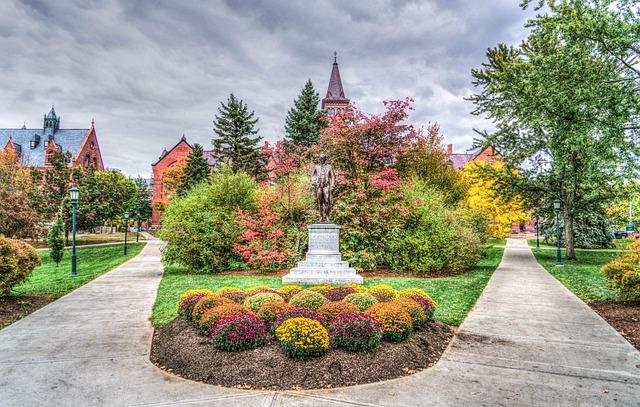
As small colleges across the United States face mounting financial pressures and declining enrollments, many institutions have been forced to close their doors, leaving surrounding communities grappling with economic and social challenges. In Vermont, however, one town confronted this reality head-on when its local college shuttered, embarking on a journey of reinvention and resilience. This article explores how the closure of a small college can profoundly impact a town—and how one Vermont community has sought to turn the page and redefine its future.
Challenges Facing Small Towns After College Closures
When a small college shutters its doors, the ripple effects on its host town can be profound and immediate. Economic decline often follows quickly as local businesses lose a significant portion of their customer base, leading to shrinking job opportunities and dwindling town revenues. Communities face a loss of identity and purpose, with many residents feeling a profound cultural void. Beyond economics, the closure impacts local schools, housing markets, and municipal services, creating a cascade of challenges that can strain even the most resilient towns.
Key difficulties include:
- Population decline as young adults move away in search of education or employment
- Decreased funding for public services reliant on tax revenues connected to college employees and students
- Reduction in cultural and athletic events that once energized the community
- Vacant properties and potential urban blight as campus facilities are abandoned
- Difficulty attracting new businesses without the college’s economic and social influence
| Impact Area | Pre-Closure Status | Post-Closure Challenge |
|---|---|---|
| Local Economy | Thriving small businesses | Significant drop in commerce |
| Population | Steady student influx | Outmigration and aging residents |
| Community Events | Regular campus-hosted festivals | Loss of cultural opportunities |
Vermont’s Innovative Approach to Community Revitalization
When the local college in a small Vermont town announced its closure, the community faced an uncertain future. But rather than succumb to economic decline, residents and local leaders pioneered a multifaceted strategy focused on leveraging existing assets and fostering new ventures. Central to this approach was transforming vacant campus buildings into collaborative workspaces and cultural hubs, providing an anchor for entrepreneurial initiatives and attracting remote workers seeking vibrant, affordable living spaces.
The town’s revitalization plan incorporated diverse elements that worked in tandem to rebuild its economy and spirit. Key initiatives included:
- Adaptive Reuse of college facilities into innovation centers and affordable housing.
- Partnerships with regional tech firms and arts organizations to diversify employment.
- Investment in broadband infrastructure to support digital connectivity.
| Indicator | Pre-Closure | Post-Revitalization (3 Years) |
|---|---|---|
| Local Jobs Created | 150 | 320 |
| New Businesses Opened | 5 | 18 |
| Population Stability | Declining | Stable / Growing |
Leveraging Local Assets to Foster Economic Development
In the face of challenges brought by the closure of a small college, one Vermont town crafted a blueprint for resilience by tapping into its unique local resources. The community rallied around existing cultural landmarks, natural landscapes, and regional artisanal expertise, transforming these assets into economic opportunities. By supporting local businesses and promoting heritage tourism, the town cultivated a diversified economic base that lessened reliance on the institution and encouraged broader engagement from residents and visitors alike.
Key approaches included:
- Partnering with local artists and craftspeople to create vibrant markets and festivals
- Developing outdoor recreational initiatives that leveraged the region’s natural beauty
- Repurposing dormant campus facilities to serve as incubators for small enterprises
- Engaging regional stakeholders in strategic planning to align development goals
| Sector | Impact | Example Initiative |
|---|---|---|
| Arts & Culture | Boosted year-round tourism | Annual Arts & Crafts Fair |
| Outdoor Recreation | Increased weekend visitation | Guided Hiking Tours |
| Entrepreneurship | New job creation | Startup Incubator Program |
Recommendations for Sustaining Small College Towns
To maintain vibrancy in small college towns facing institutional closures, communities must prioritize economic diversification and foster partnerships beyond academia. Investment in local entrepreneurship, arts, and heritage tourism can create new employment opportunities and attract visitors, cushioning the blow of a college’s departure. Mobilizing public-private initiatives that repurpose campus facilities for community needs—such as co-working spaces, innovation hubs, or cultural centers—provides a blueprint for adaptive reuse that benefits residents and entrepreneurs alike.
Equally crucial is cultivating a strong sense of place and community identity. Towns should leverage their unique characteristics and narratives to boost civic pride and draw in new populations. Recommendations include:
- Developing year-round events that celebrate local history and culture to maintain visitor engagement.
- Supporting affordable housing initiatives to attract young families and remote workers.
- Establishing education pipelines with regional technical centers or online learning platforms to retain education opportunities.
| Strategy | Benefits |
|---|---|
| Adaptive Reuse of Facilities | Preserves infrastructure, spurs innovation |
| Economic Diversification | Creates resilience, broadens job market |
| Community Identity Events | Boosts tourism, strengthens social ties |
Key Takeaways
As small colleges across the United States face mounting financial pressures and closures, the ripple effects on their host communities remain profound and complex. Vermont’s experience, as detailed in this article, offers a rare example of a town adapting and turning the page in the wake of such a loss. While challenges persist, the story serves as a testament to resilience and the potential for renewal, underscoring the need for proactive local strategies as more institutions grapple with uncertain futures.