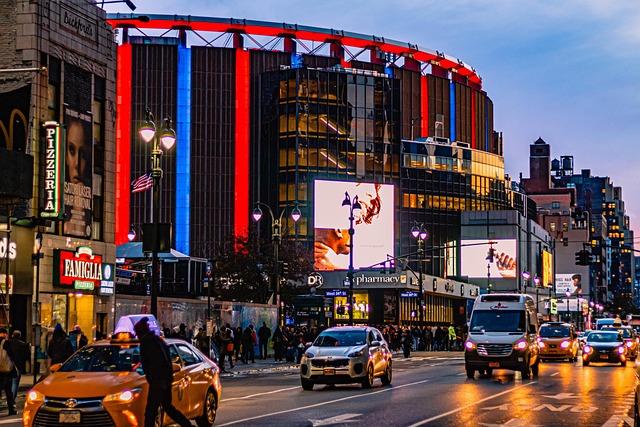
Madison Square Garden, one of the nation’s most iconic entertainment venues, is at the center of a growing controversy this week. According to a recent report by USA Today, the venue has allegedly been tracking celebrities and assigning them risk scores based on their behavior and associations. This revelation has sparked concerns about privacy, surveillance, and the ethics of monitoring high-profile individuals in public spaces. As details emerge, questions remain about how these scores are compiled, who has access to the data, and what impact this practice could have on the individuals involved.
Madison Square Garden Faces Scrutiny Over Celebrity Risk Scoring Practices
Recent revelations indicate that Madison Square Garden has been implementing a controversial system that tracks and assigns risk scores to celebrities attending events at their venues. Sources within the organization suggest this proprietary algorithm evaluates various factors such as security threats, crowd control challenges, and the potential for disruptive behavior, ostensibly to ensure public safety. However, critics argue that the practice raises significant ethical concerns, especially regarding privacy infringements and potential bias in how individuals are scored and monitored.
Industry experts and civil rights advocates emphasize the lack of transparency surrounding the criteria used for these scores, calling for more rigorous oversight. The table below summarizes some of the proposed factors reportedly influencing the risk scores:
| Risk Factor | Description |
|---|---|
| Past Incidents | Previous security or legal issues involving the celebrity |
| Public Behavior | Social media activity and public statements |
| Event Type | Nature and scale of the event attended |
| Security Needs | Requirement for specialized security arrangements |
| Crowd Dynamics | Impact on audience control and venue safety |
Exploring Privacy Implications and Ethical Concerns in High-Profile Data Tracking
Recent revelations about Madison Square Garden’s surveillance practices have raised profound concerns regarding the boundaries of privacy and consent in public spaces, especially when the subjects include high-profile individuals. Allegations suggest that attendees, including celebrities, are not only monitored but also assigned detailed risk scores based on behavioral data. This form of tracking—ostensibly aimed at security—raises critical questions about the transparency of data collection methods and the potential misuse of personal information without explicit permission. Ethical debates are intensifying around the balance between security interests and individual rights, as the lack of clear regulatory frameworks leaves many wondering how much autonomy individuals truly possess over their personal data in these environments.
The ethical implications extend beyond privacy infringements to include discrimination and bias concerns embedded within the risk scoring algorithms. For instance, such systems may inadvertently reinforce stereotypes or introduce unfair profiling practices, disproportionately affecting certain groups or individuals based on subjective criteria. Consider the hypothetical risk assessment matrix below that illustrates how different parameters might influence scoring outcomes:
| Parameter | Low Risk | Medium Risk | High Risk |
|---|---|---|---|
| Entry Time | Before 7 PM | 7-9 PM | After 9 PM |
| Behavioral Flags | None | Minor | Multiple |
| Social Connections | Verified Associates | Unverified Contacts | Unknown Individuals |
As public scrutiny heightens, advocacy groups are calling for stronger protections and accountability measures. The following points summarize the major concerns voiced by experts and privacy watchdogs:
- Lack of informed consent: Attendees are often unaware their data is collected and analyzed.
- Opacity of algorithms: Risk scoring criteria are undisclosed, preventing meaningful challenge or review.
- Potential for misuse: Data could be exploited for purposes beyond security, such as commercial profiling.
- Impact on freedom of expression: Continuous monitoring may inhibit spontaneous behavior and social interactions.
Impact on Celebrity Relations and Public Perception of Madison Square Garden
The revelation that Madison Square Garden (MSG) has reportedly been tracking and assigning risk scores to high-profile celebrities has sent shockwaves through both the entertainment industry and the public. This practice threatens to strain relationships between the venue and its famous clientele, many of whom rely on MSG for major events and appearances. Celebrities are now questioning the ethics behind such surveillance and the potential misuse of their personal data. Insider sources suggest that several artists and their management teams have requested clarifications or even reconsidered booking engagements at MSG, wary of possible reputational damage stemming from the risk assessments.
Public perception of Madison Square Garden is also undergoing a significant shift. Once revered as the pinnacle of performance venues, the arena now faces criticism for prioritizing surveillance over privacy and trust. Social media buzz highlights concerns related to:
- Privacy violations: Allegations of intrusive monitoring without consent.
- Ethical implications: The fairness and transparency of assigning risk scores based on undisclosed criteria.
- Impact on event experiences: Fears that these measures could lead to discriminatory treatment of certain celebrities.
| Stakeholder | Primary Concern | Potential Reaction |
|---|---|---|
| Celebrity Representatives | Data privacy and misuse | Demand transparency, cancel bookings |
| Fans & Public | Trust in MSG’s practices | Social media backlash, boycotts |
| Event Organizers | Venue reputation | Consider alternate locations |
Calls for Transparency and Regulatory Oversight in Event Venue Security Measures
Concerns over the proprietary security algorithms used in high-profile venues have sparked widespread debate. Advocates argue that the opaque nature of these risk scoring methods not only raises privacy issues but also heightens the potential for bias and discrimination against celebrities and public figures. Civil rights organizations and security experts alike are calling for standardized auditing processes and mandatory disclosures to ensure that security practices do not infringe upon individual rights or perpetuate unjust profiling.
Lawmakers and watchdog groups are urging regulatory bodies to step in with clear guidelines and oversight mechanisms. They emphasize the need for:
- Independent assessments of data collection and risk evaluation protocols
- Transparency reports detailing how information is gathered, stored, and used
- Accountability frameworks for venues implementing advanced surveillance technologies
Without such measures, critics warn that venues might remain unchecked, creating an environment where security tools can potentially infringe on personal freedoms with limited recourse for those affected.
To Wrap It Up
As the controversy surrounding Madison Square Garden’s alleged use of risk scoring on celebrities continues to unfold, questions about privacy, ethical boundaries, and transparency remain at the forefront. Stakeholders, from public figures to venue operators, are closely watching for official responses and potential regulatory scrutiny. This developing story underscores the growing tension between security measures and individual rights in high-profile public spaces. USA Today will continue to monitor the situation as more details emerge.