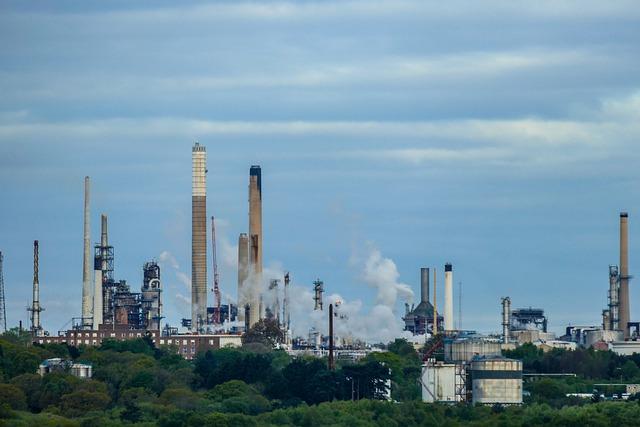
A significant shift is underway in the US energy landscape as a major American refinery has begun processing Venezuelan crude oil, marking a notable development in the strained economic relationship between the two countries. After years of sanctions and limited trade, this move signals a potential easing of restrictions and presents new dynamics for global oil markets. The refinery’s adaptation to Venezuelan oil underscores broader geopolitical and economic trends, offering insights into the evolving strategies of energy producers and consumers alike.
US Refinery Begins Processing Venezuelan Crude Amid Shifting Energy Dynamics
In a notable development reshaping the US energy landscape, a prominent American refinery has begun processing crude oil sourced from Venezuela. This move signifies a shift after years of strained relations and sanctions, reflecting evolving strategies within the industry to diversify supply sources and stabilize fuel availability. Industry analysts highlight that this step could ease pressures on global oil markets and foster new diplomatic channels aimed at energy cooperation between the two nations.
The refinery’s advanced capabilities allow it to handle the unique composition of Venezuelan crude, known for its heavier and more sulfurous profile. Experts note several key benefits associated with this new operation:
- Improved supply chain resilience: Reducing dependency on traditional suppliers.
- Economic incentives: Potential cost efficiencies from accessing competitive crude grades.
- Environmental considerations: Enhanced refining technologies mitigate emissions despite heavier crude processing.
| Refinery Capacity | Crude Source | Processing Start Date |
|---|---|---|
| 250,000 barrels/day | Venezuelan Heavy Crude | April 2024 |
Technical Challenges and Operational Adjustments in Refining Venezuelan Oil
Refining Venezuelan crude presents a unique set of technical challenges that US refineries must swiftly adapt to. Venezuelan oil is known for its heavy, sour composition with high sulfur content, which demands specialized equipment and processes to ensure efficient output. Refineries accustomed to lighter crudes are investing in upgrading their hydrodesulfurization units and coker capacities, enabling them to break down this denser crude into usable products without compromising environmental standards. These adjustments require not only capital expenditure but also a reconfiguration of operational workflows to maintain throughput and comply with emission regulations.
Operational shifts extend beyond machinery tweaks. Refineries are implementing rigorous quality control protocols and modifying blending operations to integrate Venezuelan crude smoothly with their existing feedstocks. Staff training programs have been intensified to equip engineers and technicians with the expertise to handle the altered chemical profiles. Below is a simplified overview of the key refinements being adopted:
| Adjustment Area | Purpose |
|---|---|
| Hydrodesulfurization Upgrades | Remove excess sulfur for cleaner fuel |
| Coker Unit Expansion | Process heavy residues into lighter products |
| Blend Optimization | Ensure consistent product quality |
| Staff Training | Improve handling of complex crude types |
Economic and Geopolitical Implications of Renewed US-Venezuela Energy Ties
The rekindling of US-Venezuela energy relations signals a pivotal shift in regional dynamics, blending economic opportunity with complex geopolitical maneuvering. For the United States, resuming Venezuelan crude processing not only addresses domestic refinery demands but also represents a strategic move to diversify oil supply chains amid global energy volatility. This partnership could ease fuel prices and reduce dependency on more politically unstable regions, potentially stabilizing the US energy market in the near term. However, it also invites scrutiny regarding sanction policies and their role in encouraging or deterring authoritarian regimes.
From a geopolitical perspective, the collaboration reflects a nuanced recalibration between Washington and Caracas, hinting at a pragmatic approach to diplomacy that transcends previous antagonisms. By engaging Venezuela, the US may inadvertently shift the balance of influence in Latin America, challenging other regional powers and creating new alliances. Key aspects of this development include:
- Economic incentives: Increased Venezuelan oil exports could spur job creation and infrastructure investment in both countries.
- Political leverage: Renewed energy ties offer a platform for dialogue on human rights and governance reforms, albeit with mixed outcomes.
- Strategic competition: This move may heighten tensions with rival nations observing US energy strategy.
| Aspect | Potential Impact | Key Stakeholders |
|---|---|---|
| Energy Security | Improved supply stability | US Refiners, Consumers |
| Diplomatic Relations | Conditional thaw in tensions | US & Venezuelan Governments |
| Regional Influence | Shift in power dynamics | Latin American Allies & Rivals |
Recommendations for Ensuring Efficiency and Regulatory Compliance in the New Processing Setup
To optimize the new processing setup, it is essential to implement a robust monitoring system that tracks performance metrics in real time. Utilizing advanced analytics and automation tools can streamline operations, reduce downtime, and swiftly identify any deviations from expected refinery output. Furthermore, investing in continuous staff training ensures that employees are fully proficient in handling the unique characteristics of Venezuelan crude, which often requires specialized handling due to its high sulfur content and viscosity. Collaboration between operational teams and compliance officers will foster a proactive approach to maintaining efficiency while adhering to international environmental and safety standards.
Ensuring regulatory compliance involves a thorough review and alignment with both US federal regulations and international sanctions related to Venezuelan oil. Detailed documentation and transparent reporting practices are vital to demonstrate compliance to oversight bodies. Consideration should also be given to establishing a dedicated compliance task force responsible for ongoing risk assessments and liaison with government agencies. The following table outlines key compliance focus areas alongside efficiency targets to guide refinery managers in balancing operational goals with legal obligations.
| Focus Area | Efficiency Target | Compliance Checkpoints |
|---|---|---|
| Emission Controls | Reduce SOx emissions by 15% within 6 months | Monthly EPA audits & quarterly third-party assessments |
| Crude Quality Handling | Maintain consistent throughput at 95% capacity | Daily quality sampling & reporting |
| Sanctions Compliance | Zero violation incidents | Regular legal reviews & employee compliance training |
The Way Forward
As the United States refinery begins processing Venezuelan oil, this development marks a notable shift in energy relations amid ongoing geopolitical tensions. Industry experts will be watching closely to assess the impact on global oil markets and the broader diplomatic landscape. The evolution of this partnership underscores the complex interplay between commerce and policy in the energy sector, signaling potential new dynamics in US-Venezuela relations in the months ahead.