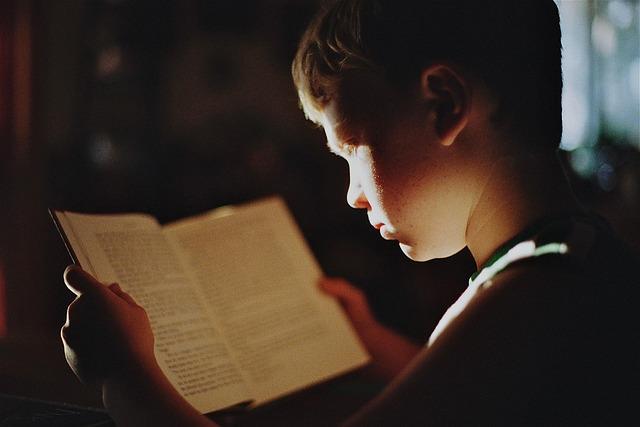
In the face of global crises, from natural disasters to armed conflicts, the right of every child to receive an education remains non-negotiable. UNICEF USA emphasizes that emergencies should never disrupt a child’s access to learning, underscoring education as a fundamental human right that must be protected at all costs. As schools close and communities grapple with instability, the need to prioritize and safeguard education for millions of vulnerable children worldwide has never been more urgent. This article explores how crises challenge educational systems and highlights the international efforts championed by UNICEF USA to ensure that no child’s right to education is compromised, no matter the circumstances.
A Global Snapshot of Education Disruptions During Crises
Across the globe, crises such as natural disasters, armed conflicts, and pandemics have plunged millions of children into educational uncertainty. School closures, infrastructure damage, and displacement disrupt learning, aggravating existing inequalities. In regions affected by instability, children—especially girls and those with disabilities—face increased barriers to accessing quality education. Despite these setbacks, the fundamental right to education remains non-negotiable. Global efforts to map disruptions reveal stark contrasts: while some systems adapt through remote learning, many still lack the resources and technology to reach vulnerable populations effectively.
Highlighted below is a snapshot illustrating the scale and impact of education interruptions during recent global crises:
| Region | Children Affected (millions) | School Closure Duration | Access to Remote Learning (%) |
|---|---|---|---|
| Sub-Saharan Africa | 45 | 6 months | 30% |
| South Asia | 60 | 4 months | 50% |
| Middle East & North Africa | 20 | 8 months | 40% |
| Latin America & Caribbean | 15 | 3 months | 65% |
- Financial constraints limit emergency education funding in conflict zones.
- Digital divide exacerbates gaps between urban and rural students.
- Psychosocial impact on children affects learning continuity and outcomes.
- Community involvement proven essential for resilient education solutions.
The Unwavering Importance of Upholding Children’s Educational Rights
In times of crisis, such as pandemics, natural disasters, or conflicts, the fundamental right of every child to access quality education must remain a priority. Interruptions to schooling not only stall academic progress but also disrupt critical social development and emotional stability. The global community, especially stakeholders in education and child protection, must act decisively to implement resilient learning systems that ensure continuity. This includes expanding remote learning infrastructure, safeguarding schools as safe spaces, and providing tailored support for the most vulnerable—children with disabilities, those in displacement, or living in poverty.
Key measures to protect educational rights during crises include:
- Establishing emergency education response plans at community and national levels
- Leveraging technology to facilitate remote learning and reduce dropout rates
- Providing psychosocial support and safe learning environments to affected children
- Ensuring equitable access to learning resources regardless of socio-economic background
| Challenge | Impact on Education | Recommended Action |
|---|---|---|
| School Closures | Learning Disruption & Social Isolation | Implement Distance Education |
| Displacement | Loss of Education Access | Set up Temporary Learning Spaces |
| Economic Hardship | Increased Dropout Rates | Provide Financial Support & Supplies |
Strategies for Ensuring Access to Quality Education Amid Emergencies
In times of crisis, the commitment to delivering uninterrupted, quality education must be unwavering. Emergency response strategies increasingly emphasize innovative learning methods such as digital classrooms, mobile education units, and radio-based lessons to reach children isolated by conflict or disasters. Partnering with local communities ensures these resources are adapted to cultural contexts and accessible to the most vulnerable, including girls and children with disabilities. This proactive approach not only preserves educational progress but fosters resilience among young learners facing uncertainty.
Governments and humanitarian agencies employ a multifaceted model to safeguard educational continuity. This includes rapid training for teachers on psychosocial support, curriculum adjustment for emergency relevance, and secure learning spaces that double as safe zones. The following table highlights key components utilized worldwide to maintain education access during emergencies:
| Strategy | Purpose | Impact |
|---|---|---|
| Mobile Learning Units | Reach displaced children | Increased enrollment by 35% |
| Radio Lessons | Deliver content remotely | Continuity of curriculum |
| Teacher Training | Enhance emergency response skills | Improved student retention |
| Safe Learning Spaces | Protect children from harm | Higher attendance rates |
How Communities and Policymakers Can Support Learning Continuity
Ensuring uninterrupted education during crises demands a collaborative approach where both communities and policymakers play pivotal roles. Communities can foster learning environments by creating safe spaces for children to study outside traditional classrooms, such as community centers and libraries equipped with necessary resources. Additionally, mobilizing local volunteers to assist with tutoring or digital literacy programs ensures that no child is left behind. Active engagement with families to understand each child’s unique needs and challenges is essential in tailoring support mechanisms that encourage continued learning.
Policymakers must prioritize the allocation of emergency funds specifically aimed at educational resilience, guaranteeing access to technology, internet connectivity, and learning materials during disruptions. Implementing flexible education policies, such as remote learning programs and alternative assessment methods, can sustain academic progression while accommodating diverse circumstances. The table below highlights key strategies and responsible actors to maintain education continuity effectively:
| Strategy | Community Role | Policymaker Role |
|---|---|---|
| Safe learning hubs | Establish and manage spaces | Support with funding and guidelines |
| Digital access | Identify and assist children without devices | Expand infrastructure and subsidies |
| Flexible curriculum | Adapt teaching to local needs | Design inclusive policies |
Concluding Remarks
As crises continue to disrupt communities around the world, the fundamental right of every child to receive an education must remain unwavering. UNICEF USA emphasizes that protecting this right is not only a moral imperative but also essential for building resilient societies and securing a brighter future for all. Ensuring access to education during emergencies requires collective commitment, innovative solutions, and sustained support from governments, organizations, and individuals alike. In the face of adversity, the education of every child must remain a non-negotiable priority—because learning is a lifeline that should never be compromised.