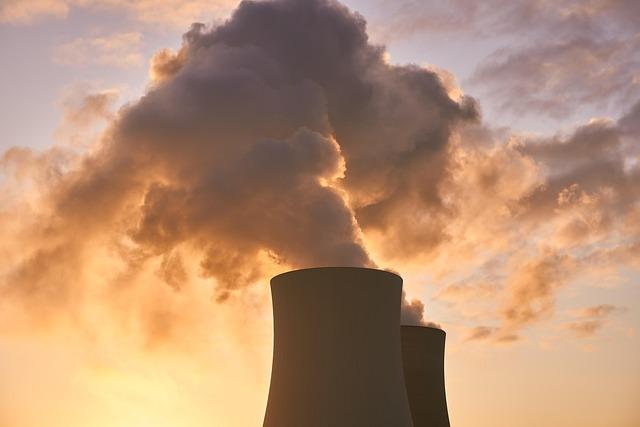
The United States and Japan have reached a mutual understanding regarding their respective roles in a potential nuclear power project, according to Westinghouse Electric Company. The agreement marks a significant step forward in bilateral cooperation on advanced nuclear technology, as both nations seek to enhance energy security and address climate goals. Details of the collaboration were disclosed ahead of key negotiations, signaling a renewed commitment to revitalizing nuclear energy amid evolving global dynamics.
US and Japan Define Strategic Roles in Collaborative Nuclear Power Development
The United States and Japan have reached a significant consensus on dividing responsibilities in a potential nuclear power development project, according to Westinghouse Electric Company. This collaboration aims to leverage the strengths of both nations to accelerate innovation in advanced nuclear technologies, with the U.S. focusing on reactor design and nuclear fuel fabrication, while Japan is set to oversee operational deployment and regulatory compliance. The strategic alignment underscores a mutual commitment to enhance energy security and promote clean, sustainable energy solutions in the Indo-Pacific region.
Key roles in the partnership include:
- U.S. leading the design and development of modular nuclear reactors
- Japan managing on-site construction and integration
- Joint efforts in safety standards and workforce training programs
- Cooperative research on next-generation fuel cycles and waste management
| Country | Primary Role | Focus Areas |
|---|---|---|
| United States | Technology Development | Reactor Design, Fuel Fabrication |
| Japan | Deployment & Operations | Construction, Regulation, Compliance |
Westinghouse Details Technological Contributions and Operational Responsibilities
Westinghouse Electric Company, a key player in the nuclear energy sector, has outlined its pivotal role in a potential collaborative nuclear power initiative between the United States and Japan. The company is set to provide advanced technological solutions, including design and engineering services for the next-generation reactors. Westinghouse’s expertise will focus on enhancing safety features and boosting the operational efficiency of the nuclear facilities, ensuring compliance with rigorous international standards.
Operational responsibilities assigned to Westinghouse include:
- Overseeing reactor design and safety system integration
- Managing project timelines and milestone deliveries
- Providing technical training and on-site support
- Coordinating with Japanese partners on regulatory approvals
| Responsibility | Description |
|---|---|
| Design Engineering | Develop reactor blueprints and safety protocols |
| Project Management | Ensure effective execution and scheduling |
| Technical Training | Prepare workforce for operational readiness |
| Regulatory Coordination | Facilitate compliance with nuclear authorities |
Implications for Global Nuclear Energy Market and Bilateral Energy Security
The forthcoming US-Japan collaboration on a nuclear power project signals a strategic pivot in the global nuclear energy landscape, potentially redefining market dynamics. The partnership, mediated by Westinghouse, combines advanced American reactor technology with Japan’s rigorous safety standards and operational expertise. This synergy is expected to bolster international confidence in nuclear energy as a pivotal clean power source amid escalating global energy demands and climate objectives.
From a bilateral energy security perspective, the alliance offers several tangible benefits:
- Diversification of Energy Sources: Reduces dependence on fossil fuels and enhances grid stability through nuclear integration.
- Technology Exchange: Strengthens innovation pipelines and facilitates knowledge transfer in reactor design and safety protocols.
- Geopolitical Leverage: Presents a united front in securing supply chains of nuclear materials and services, minimizing exposure to political risks.
| Aspect | US Contribution | Japan Contribution |
|---|---|---|
| Technology | Advanced Reactor Designs (AP1000) | Safety Regulations & Operational Expertise |
| Market Reach | Global Licensing & Supply Chain | Asia-Pacific Regional Partnerships |
| Energy Security | Diversified Fuel Supply | Disaster-Resilient Infrastructure |
Recommendations for Enhancing Regulatory Coordination and Project Transparency
To foster streamlined collaboration between the US and Japan in upcoming nuclear projects, it is essential to institutionalize mechanisms that ensure regulatory alignment and continuous information exchange. Establishing joint oversight committees with representatives from both nations’ regulatory agencies can facilitate harmonized safety standards, permitting processes, and compliance audits. Such coordinated frameworks will minimize delays caused by bureaucratic discrepancies and bolster mutual trust. Furthermore, transparent sharing of technical data, environmental impact assessments, and progress reports through secure, real-time digital platforms can enhance accountability and stakeholder confidence.
In addition, public engagement forums and regular disclosure of project milestones will play a pivotal role in maintaining openness and reducing community concerns. Encouraging multidisciplinary advisory panels comprising industry experts, local government officials, and civil society members can provide balanced oversight and diverse perspectives. Below is a concise overview of proposed strategies to strengthen regulatory coherence and transparency:
| Strategy | Description |
|---|---|
| Joint Regulatory Committee | Unified body to harmonize standards and streamline approvals |
| Real-Time Data Sharing | Secure platforms for open access to project details and risk assessments |
| Public Engagement Forums | Regular meetings to address community concerns and increase transparency |
| Multidisciplinary Advisory Panels | Expert groups to provide oversight and diverse insights |
The Conclusion
As the United States and Japan solidify their respective roles in the potential nuclear power project, industry leaders like Westinghouse emphasize the strategic importance of this collaboration amid growing energy demands and geopolitical challenges. The agreement marks a significant step toward revitalizing nuclear energy cooperation between the two allies, underscoring a shared commitment to advancing safe, reliable, and innovative nuclear technology. Stakeholders will be watching closely as plans move forward, with implications for the broader global energy landscape in the years to come.