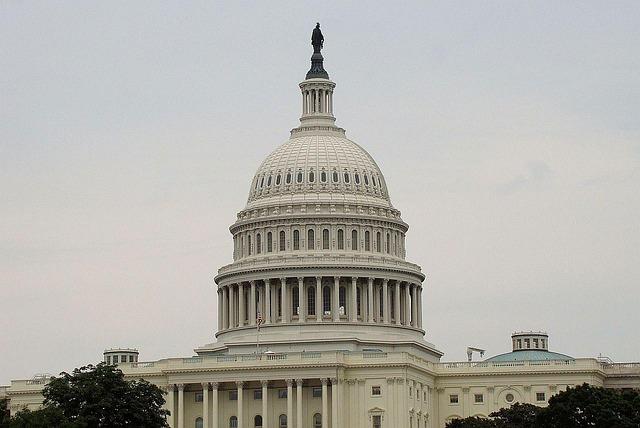
The US Senate has passed a bipartisan deal aimed at ending the longest government shutdown in American history, bringing relief to millions of federal workers and residents affected by the months-long impasse. The legislation, which now moves to the House for approval, seeks to reopen government operations and address key funding issues that have stalled since December. This breakthrough marks a critical step toward restoring normalcy and resolving one of the most intractable budgetary crises in recent memory.
US Senate Approves Funding Deal Ending Record-Breaking Government Shutdown
The US Senate has overwhelmingly approved a comprehensive funding package designed to end the longest government shutdown in the nation’s history. The bipartisan agreement allocates federal spending through the end of the fiscal year, ensuring that essential government functions resume without further interruption. This deal reflects a rare moment of cooperation between parties after weeks of political brinkmanship, addressing budget disagreements primarily over immigration policy and border security funding.
Key elements of the funding deal include:
- Restoration of pay for approximately 800,000 federal workers affected by the shutdown
- Increased appropriations for border security without allocating funds for the president’s proposed border wall
- Extension of critical health and social services programs without additional cuts
- Commitment to revisit immigration policy reform through upcoming legislative sessions
| Government Shutdown Timeline | Days |
|---|---|
| Previous longest shutdown (1995-1996) | 21 |
| Current shutdown | 35+ |
Key Provisions and Impact of the Senate’s Funding Agreement
The Senate’s recently approved funding agreement brings a decisive end to the prolonged government shutdown, marking a crucial turning point for federal operations. Key elements of the deal include increased budget allocations for defense and domestic programs, alongside measures to address immigration reform and disaster relief funding. The bipartisan cooperation reflects a strategic compromise aimed at balancing fiscal responsibility with urgent national priorities. Notably, the agreement also incorporates temporary extensions on certain expiring programs, ensuring uninterrupted services in critical sectors such as healthcare and education.
Impact projections of the agreement:
- Restoration of federal employee salaries: Back pay will be issued promptly to thousands of workers affected during the shutdown, restoring financial stability.
- Boost to key infrastructure projects: Funding channels will revitalize delayed road, bridge, and public transit initiatives nationwide.
- Enhanced disaster preparedness: Allocations dedicated to emergency response agencies improve readiness for upcoming natural calamities.
- Reduction in economic uncertainty: Businesses dependent on government contracts gain renewed confidence, potentially stabilizing market trends.
| Provision | Budget Allocation | Expected Outcome |
|---|---|---|
| Defense Spending | $715 billion | Modernization and troop support |
| Domestic Programs | $585 billion | Education & healthcare services |
| Disaster Relief | $20 billion | Enhanced emergency response |
| Immigration Initiatives | $15 billion | Border security and reform |
Political Negotiations Leading to the Bipartisan Resolution
Intense deliberations marked the days leading up to the Senate’s pivotal approval, as lawmakers from both sides of the aisle sought common ground amid mounting public pressure. Key Senate leaders engaged in backdoor conversations, focusing on compromise-driven budget formulations that addressed core concerns from both the Democratic and Republican camps. Issues such as border security funding, government worker wage adjustments, and federal program allocations formed the crux of negotiations, reflecting an intricate balancing act to appease diverse political constituencies.
- Democratic priorities: Protecting social service funding and preventing austerity measures.
- Republican priorities: Enhanced measures for immigration control and fiscal restraint.
- Negotiation tactics: Incremental concessions and phased budget implementation.
The breakthrough was catalyzed by a series of compromise measures, including temporary extensions and provisions for bipartisan oversight committees. This strategy aimed to diffuse partisan tensions by promoting transparency and accountability, crucial to garnering bipartisan support. The collaborative spirit, though tentative, signaled a shift toward functional governance after weeks of gridlock.
| Key Negotiation Component | Outcome |
|---|---|
| Border Security Funding | Moderate increase with oversight |
| Federal Worker Pay | Gradual raises approved |
| Budget Timeline | Six-month extension |
Recommendations for Preventing Future Government Shutdowns
To avoid repeating the historic impasse that triggered the longest government shutdown in U.S. history, lawmakers must prioritize transparent and proactive budget planning. Establishing automatic continuing resolutions could prevent shutdowns by temporarily funding the government at previous levels when legislation stalls. Additionally, creating a bipartisan fiscal oversight committee with the power to mediate disputes before deadlines could encourage more timely and collaborative decision-making, limiting brinkmanship tactics that jeopardize essential services.
Innovative procedural reforms and enhanced accountability mechanisms should be weighed carefully. For example, tightening the federal budget calendar and integrating predictive analytics to forecast funding gaps would enable Congress to address challenges earlier. The following table outlines strategic measures with potential impact on shutdown prevention:
| Measure | Description | Potential Impact |
|---|---|---|
| Automatic Continuing Resolutions | Temporary funding continuation to avoid gaps | Reduces shutdown risk |
| Bipartisan Oversight Committee | Mediates budget disputes pre-deadline | Encourages compromise |
| Tightened Budget Calendar | Enforces stricter legislative timelines | Improves punctuality |
| Predictive Budget Analytics | Early detection of funding shortfalls | Enhances preparedness |
Closing Remarks
The US Senate’s approval of the deal marks a critical step toward ending the longest government shutdown in the nation’s history, bringing relief to millions of federal workers and countless Americans affected by halted services. While the agreement underscores a temporary truce in the ongoing political stalemate, lawmakers face continued pressure to find long-term solutions on key policy issues. As the government prepares to reopen, attention now shifts to the House of Representatives and the path forward for sustainable governance.