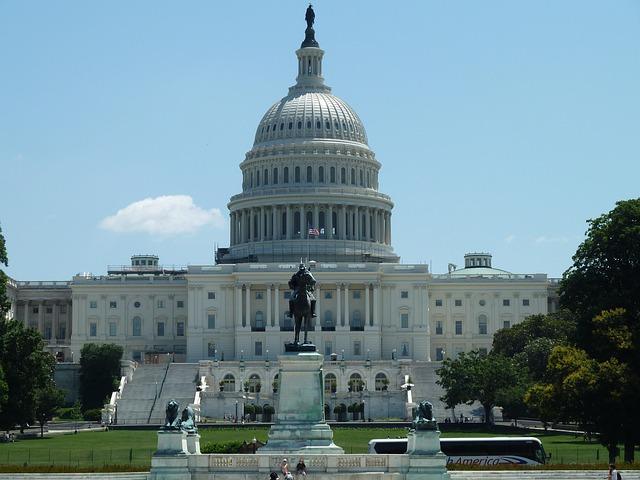
In recent years, the United States has witnessed an intensifying political divide that shapes not only elections but also everyday discourse. Dubbed the “Great Divide,” this polarization reflects deep-seated ideological rifts that challenge the nation’s social and political fabric. Syracuse University Today delves into the roots, ramifications, and potential pathways toward bridging this growing chasm, offering insights from experts and community voices on one of America’s most pressing issues.
The Roots of Division Exploring Historical and Social Causes of Polarization
The polarization evident in contemporary American politics is deeply rooted in a complex web of historical and social factors that have evolved over centuries. From the era of Reconstruction following the Civil War to the civil rights movements of the 1960s, enduring challenges around race, identity, and power have shaped the political landscape. Economic shifts, such as industrialization and later globalization, further amplified regional and class divides. These historical currents have been compounded by differing worldviews regarding government roles and individual liberties, creating foundational rifts that persist and intensify today.
Social transformations, including suburbanization and media fragmentation, have entrenched communities within ideological silos, limiting cross-cultural exchanges. Key drivers include:
- Demographic realignments: Migration patterns and changing racial and ethnic compositions.
- Media evolution: Rise of partisan news outlets and social media echo chambers.
- Political realignment: Shifts in party platforms and voter bases since the mid-20th century.
| Era | Key Divisive Issues | Political Impact |
|---|---|---|
| Reconstruction | Race relations, states’ rights | Solidified regional party loyalties |
| 1960s Civil Rights | Segregation, voting rights | Realigned Southern voters from Democrats to Republicans |
| Late 20th Century | Economic globalization, cultural shifts | Increased ideological sorting and polarization |
Media Influence and Echo Chambers How Information Channels Shape Public Opinion
In today’s digital landscape, the channels through which Americans receive their news have a profound impact on their perceptions and political attitudes. Social media platforms, cable news, and online forums often show users content that aligns with their existing beliefs, reinforcing entrenched viewpoints in what experts term echo chambers. These environments limit exposure to opposing ideas, fostering division rather than dialogue. As a result, the media ecosystem doesn’t just report on polarization—it actively shapes and amplifies it, creating a feedback loop that magnifies societal rifts.
Several key mechanisms drive this phenomenon:
- Algorithmic Curation: Platforms prioritize content that generates engagement, often favoring sensational or partisan stories.
- Selective Exposure: Audiences gravitate towards sources that reflect their political perspectives, avoiding divergent information.
- Fragmentation of Media: The rise of niche news outlets caters to specific ideological groups, reducing common informational ground.
| Information Channel | Effect on Polarization |
|---|---|
| Social Media | High reinforcement of biases |
| Cable News | Polarized framing of issues |
| Traditional Newspapers | Moderate diversity of perspectives |
| Online Forums | Echo chamber intensification |
The Impact on Governance Challenges for Bipartisan Cooperation and Policy Making
As political fault lines deepen, governance increasingly struggles under the weight of partisanship, creating a labyrinthine environment for lawmakers. The erosion of cross-party dialogue has transformed routine legislative processes into impasses, with compromise often cast aside as concession. This polarization cripples the essential mechanisms of democracy, hindering the passage of critical bills on healthcare, infrastructure, and climate policy. The pervasive mistrust fosters an atmosphere where consensus is rare, slowing policy momentum and intensifying public disillusionment.
Key governance challenges include:
- Legislative gridlock resulting in stalled government initiatives
- Heightened political posturing prioritizing party loyalty over public interest
- Difficulty in forming bipartisan committees and coalitions
- Diminished efficacy of regulatory agencies amid partisan agendas
| Governance Issue | Impact on Policy Making |
|---|---|
| Filibuster Abuse | Blocks legislation, forces brinkmanship |
| Media Fragmentation | Amplifies partisan narratives, deepens divide |
| Primary Election Polarization | Rewards extreme partisan candidates |
| Judicial Appointments | Entangles courts in partisan battles |
Bridging the Gap Strategies for Fostering Dialogue and Reducing Political Tensions
Addressing political polarization requires intentional efforts that foster open communication and empathy across ideological lines. Community forums, bipartisan town halls, and facilitated conversations serve as critical platforms where citizens can engage directly with differing perspectives. Key tactics include:
- Active listening: Encouraging participants to genuinely hear and reflect on each other’s views without immediate judgment.
- Shared goals identification: Highlighting common interests such as public safety, economic growth, and educational opportunities.
- Neutral moderators: Utilizing impartial facilitators to guide discussions and de-escalate tensions.
Education and media literacy also play pivotal roles in bridging divides by empowering individuals to critically assess information and recognize bias. Structured educational programs can help participants discern facts from misinformation, reducing the potential for conflict driven by misunderstanding or manipulation. The table below outlines a practical framework for implementing successful dialogue initiatives:
| Component | Description | Expected Outcome |
|---|---|---|
| Facilitated Dialogue | Monthly moderated meetings in diverse communities | Increased mutual understanding and trust |
| Media Literacy Workshops | Training sessions on evaluating news sources and spotting misinformation | Reduction in partisan misinformation spread |
| Collaborative Projects | Joint community initiatives like neighborhood cleanups and cultural events | Strengthened interpersonal connections beyond politics |
Concluding Remarks
As the United States continues to grapple with deepening political divides, understanding the roots and ramifications of this polarization remains crucial. Syracuse University’s ongoing research and conversations shed light on the complexities behind the ‘Great Divide,’ offering pathways toward dialogue and potential common ground. In an era defined by sharp ideological lines, such insights are vital for fostering a more informed and engaged electorate.