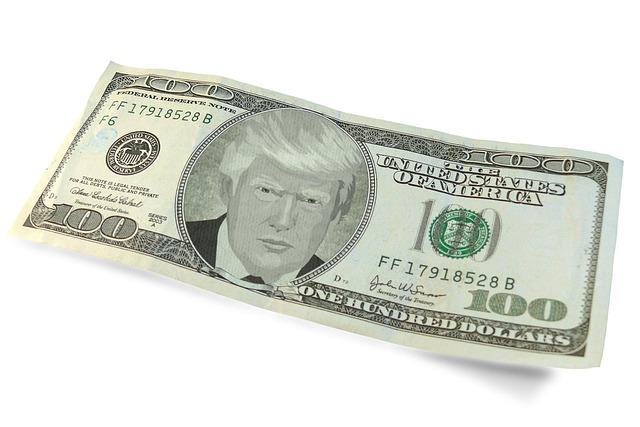
In a surprising development, the United States and India have stepped back from escalating their trade conflict, signaling a possible thaw in relations after months of tense negotiations and tariffs. However, as reported by The New York Times, the details of the agreement remain vague, leaving key questions unanswered about how both nations will navigate the economic and strategic challenges ahead. This tentative truce marks a critical juncture in the bilateral partnership, with implications for global trade dynamics and geopolitical alliances.
Trump and India End Trade Hostilities Amid Unclear Agreements
After months of economic friction and tariff skirmishes, the United States and India have agreed to step back from their escalating trade disputes. Both nations cited mutual benefits in de-escalating the conflict, yet the precise details of the agreements remain shrouded in ambiguity. Analysts suggest that while this détente could stabilize bilateral relations, the lack of clear, enforceable commitments leaves many questions unanswered about the future of trade between these two global powers.
Key points to consider in the truce include:
- Temporary suspension of new tariffs but no definitive rollback of existing ones.
- Promise of ongoing negotiations on intellectual property rights and market access.
- Ambiguous framework for dispute resolution, raising concerns over long-term enforcement.
- Commitments to enhance cooperation in sectors like technology, agriculture, and defense trade.
| Topic | U.S. Position | India’s Position |
|---|---|---|
| Tariffs | Maintain most tariffs, suspend new ones | Seek phased reduction over time |
| Market Access | Push for greater access to Indian markets | Protect domestic industries cautiously |
| Intellectual Property | Demand stronger enforcement | Agree to review policies |
| Dispute Resolution | Call for binding mechanisms | Prefer flexible approaches |
Economic Impact and Key Industries Affected by the Trade Truce
The temporary cessation of hostilities in the trade conflict between the United States and India has significantly eased market anxieties, yet the broader economic consequences remain uncertain due to the ambiguous terms of the agreement. Early indicators show that both nations have observed a rebound in sectors that were previously hit hardest by tariff escalations. Key industries benefiting from this truce include technology, agriculture, and pharmaceuticals, which collectively represent a substantial portion of bilateral trade volume. However, analysts caution that without a comprehensive framework, businesses may face lingering volatility.
The reprieve has also produced notable shifts in supply chain strategies, with several manufacturers revising investment plans to capitalize on renewed trade stability. The sectors most affected can be summarized as follows:
- Technology: Resumption of exports in electronics and software services with relaxed duties.
- Agriculture: Restoration of tariff rates on key commodities such as almonds, rice, and apples.
- Pharmaceuticals: Improved access to generic drug markets benefiting both Indian producers and U.S. consumers.
| Industry | Trade Value Impact | Projected Growth (2024) |
|---|---|---|
| Technology | +$3.2B | 5.4% |
| Agriculture | +$1.1B | 3.7% |
| Pharmaceuticals | +$900M | 4.9% |
Analyzing the Loopholes and Ambiguities in the Peace Terms
The ceasefire of the high-profile trade war between the United States and India has sparked cautious optimism, yet the peace terms remain shrouded in uncertainty. Key aspects of the agreement lack clarity, leaving both sides and global observers trying to decipher the true implications. Among the most notable ambiguities are the specific commodities exempted from new tariffs, the timeline for tariff rollbacks, and the enforcement mechanisms designed to ensure compliance. Without well-defined benchmarks, the risk of future discord looms large, raising questions about the durability of this truce.
Key Areas of Confusion Include:
- Tariff Reduction Schedules: The timeframe for phasing out tariffs is vaguely worded, with neither party committing to explicit deadlines.
- Sectoral Exemptions: Critical industries such as pharmaceuticals and technology lack transparency on the extent of relief offered.
- Dispute Resolution: The agreement’s language on arbitration and enforcement is open to interpretation, creating potential loopholes.
| Component | Stated Provision | Unclear Aspect |
|---|---|---|
| Tariff Timeline | “Gradual reduction over an unspecified period” | No fixed milestones or target dates |
| Trade in Technology | “Mutual cooperation encouraged” | Undefined scope and standards of cooperation |
| Enforcement Measures | “Disputes to be addressed amicably” | Absence of formal arbitration procedures |
This lack of precision opens the door for divergent interpretations and potential exploitation of loopholes, which could destabilize the fragile détente. As negotiations proceed behind closed doors, the international community watches closely, waiting to see if these ambiguous terms evolve into a robust framework or unravel into renewed trade tensions.
Recommendations for Strengthening Future US-India Trade Relations
To build a resilient and mutually beneficial trade partnership, both the United States and India must prioritize transparency and revisit tariff structures with a focus on balancing market access. Encouraging bilateral dialogue around sector-specific concerns—such as pharmaceuticals, technology, and agriculture—can help bridge gaps that have long hindered comprehensive agreements. Embracing regulatory harmonization and simplifying customs procedures will reduce transaction costs, ultimately boosting economic growth on both sides.
Key strategic recommendations include:
- Establishing a dedicated US-India trade council to ensure ongoing communication and swift dispute resolution.
- Promoting joint investments in infrastructure and technology innovations to create new avenues for collaboration.
- Enhancing protections for intellectual property rights to foster innovation and secure competitive advantage.
- Aligning environmental and labor standards to support sustainable development and fair trade.
| Focus Area | Current Challenge | Proposed Action |
|---|---|---|
| Tariffs | High duties on key goods | Gradual tariff reductions |
| Market Access | Restrictions in services sectors | Opening sectors to foreign investment |
| IP Rights | Inconsistent enforcement | Strengthened legal frameworks |
To Wrap It Up
As both Washington and New Delhi step back from the brink of a full-scale trade conflict, the details of their newly forged agreement remain elusive. While the temporary truce may ease immediate tensions, many questions linger about the long-term economic partnership between the two countries. Analysts caution that without clear terms and concrete commitments, the fragile peace may be subject to future strains. As the global trade landscape continues to evolve, all eyes will be on how the United States and India navigate this complex relationship moving forward.