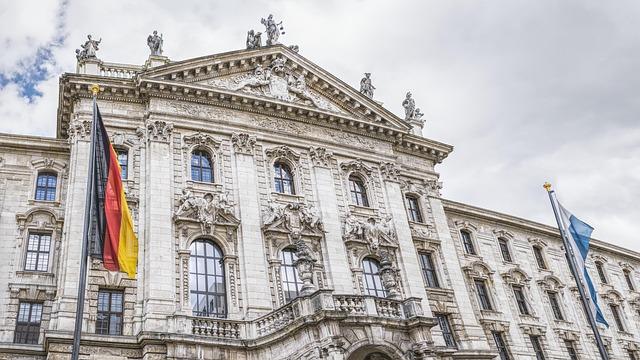
The United States has recently imposed new sanctions targeting the International Criminal Court (ICC), a move widely condemned as a blatant assault on the court’s independence. The ICC, tasked with prosecuting serious international crimes such as genocide and war crimes, now faces escalating political pressure amid ongoing investigations involving US personnel. This development has sparked global concern over the implications for international justice and the rule of law, raising urgent questions about the future autonomy and effectiveness of the ICC.
International Criminal Court Faces Escalating Pressure from US Sanctions
The International Criminal Court (ICC) is currently grappling with intensified backlash following the imposition of new sanctions by the United States, marking an unprecedented challenge to its operational autonomy. These restrictive measures target senior ICC officials, directly undermining the court’s ability to conduct independent investigations, particularly those probing alleged war crimes involving US personnel. The move has been widely criticized by international legal experts and human rights defenders who argue that such actions dangerously politicize the institution and jeopardize its foundational mandate to uphold international justice.
Key impacts of the US sanctions include:
- Travel bans on ICC officials, hindering diplomatic engagement and cooperation.
- Financial restrictions that complicate funding flows necessary for ongoing investigations.
- Deterrence effect on international witnesses and partners reluctant to engage with a court under such duress.
| Stakeholder | Primary Concern | Potential Outcome |
|---|---|---|
| ICC Officials | Restricted Mobility | Operational Delays |
| Human Rights Groups | Political Interference | Weakened Justice Pursuit |
| US Government | Jurisdictional Overreach | International Criticism |
Implications for Global Justice and the Rule of Law
The recent US sanctions targeting the International Criminal Court (ICC) represent a significant challenge to the principles of global accountability and judicial independence. By obstructing the ICC’s ability to investigate and prosecute alleged war crimes and crimes against humanity, such measures risk undermining the broader international justice framework designed to uphold human rights universally. This aggressive stance might deter other nations and institutions from supporting or cooperating with judicial bodies, weakening the collective resolve to uphold the rule of law across borders.
These sanctions also underscore the ongoing tension between sovereign interests and the demands of international justice. As the ICC seeks to exert its mandate impartially, pressures from powerful states could introduce a precedent where political considerations override legal merits. The implications are profound:
- Undermining ICC’s credibility: Sanctions may erode trust in the court’s impartiality and effectiveness.
- Chilling effect on cooperation: States might hesitate to collaborate with the ICC fearing diplomatic or economic retaliation.
- Weakening rule of law globally: A fragmented approach reduces the deterrent effect against impunity for serious international crimes.
| Aspect | Potential Impact |
|---|---|
| Judicial Independence | Compromised by external political pressures |
| International Cooperation | Decline in support and information sharing |
| Victim Access to Justice | Delayed or denied due to institutional constraints |
| Global Rule of Law | Fragmentation of international legal norms |
Expert Analysis on the Impact of Sanctions on ICC Independence
Recent US sanctions targeting the International Criminal Court (ICC) are widely viewed by experts as a direct challenge to the court’s core principle of independence. These punitive measures, critics argue, could undermine the ICC’s ability to function impartially and effectively, especially given its role in prosecuting crimes committed by powerful states or their allies. Legal scholars and human rights advocates stress that such sanctions:
- Threaten the court’s financial stability and operational capacity.
- Set a dangerous precedent for political interference in international justice.
- Could deter judges and prosecutors from pursuing sensitive cases linked to powerful nations.
- Risk eroding global trust in multilateral legal institutions dedicated to accountability.
In addition, expert analyses highlight the broader geopolitical ramifications of these sanctions. By attempting to influence judicial proceedings through economic and diplomatic pressure, the US risks escalating tensions not only with the ICC but also with international partners committed to upholding the rule of law. Below is a concise overview of the sanctions’ potential impact as outlined by legal experts:
| Impact Area | Potential Consequence |
|---|---|
| Judicial Independence | Compromised impartiality under political pressure |
| Financial Resources | Reduced funding and operational difficulties |
| International Reputation | Diminished credibility in the global justice system |
| Future Cases | Increased reluctance to investigate powerful states |
Calls for Multilateral Support to Safeguard International Judicial Institutions
Global legal experts and diplomatic communities have voiced strong opposition to the recent imposition of sanctions on the International Criminal Court (ICC) by the United States. This decisive move is widely considered an unprecedented challenge to the court’s autonomy, threatening its crucial role in administering international justice impartially. Observers emphasize that undermining the ICC could send a dangerous signal, weakening global mechanisms designed to hold perpetrators of war crimes, genocide, and crimes against humanity accountable.
Calls for united international action are intensifying, urging multilateral institutions and nations to reinforce support for the ICC’s mandate. Advocates stress the importance of:
- Strengthening diplomatic backing and legal protections for international judicial bodies
- Ensuring the politicization of justice does not erode the rule of law
- Promoting collaborative frameworks to safeguard judicial independence worldwide
| Stakeholder | Recommended Action | Expected Outcome |
|---|---|---|
| United Nations | Issue formal declarations supporting ICC independence | Strengthened legitimacy and global trust |
| Member States | Increase diplomatic dialogue, resist unilateral punitive measures | Enhanced multilateral cooperation |
| International NGOs | Advocate through awareness campaigns | Public mobilization for judicial protection |
The Conclusion
The recent imposition of new US sanctions on the International Criminal Court marks a significant escalation in tensions between Washington and the global judicial body. Critics argue that these measures undermine the court’s independence and jeopardize its mission to hold perpetrators of serious international crimes accountable. As the ICC continues its work amid mounting political pressures, the international community faces ongoing challenges in upholding the principles of justice and accountability on the world stage. The coming months will be crucial in determining how these developments affect the future of international law and cooperation.