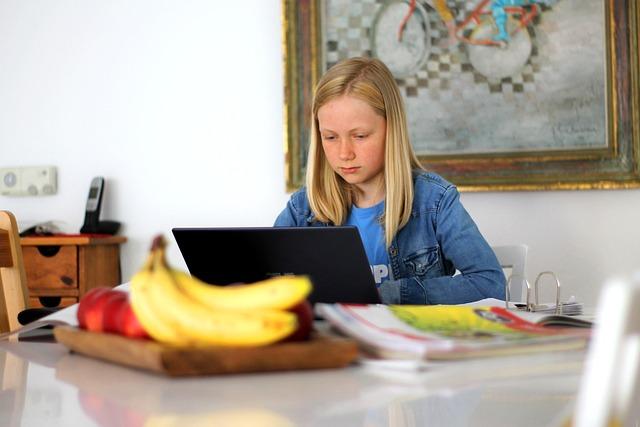
In a heated national debate over education and parental rights, some progressive voices have controversially labeled homeschooling as a form of child abuse. This provocative claim has sparked intense discussion among educators, parents, and policymakers alike. As homeschooling continues to grow in the United States, questions about its impact on children’s wellbeing and development remain at the forefront. This article examines the origins and implications of this contentious viewpoint, exploring why many Americans find the characterization of homeschooling as abuse both surprising and unfounded.
Homeschooling Under Fire Understanding the Rising Criticism from Liberal Circles
The growing backlash against homeschooling within liberal circles largely stems from concerns over socialization, curriculum transparency, and oversight. Critics argue that some homeschooling environments may lack the diversity and regulatory standards found in public schools, potentially fostering ideological echo chambers. Many liberal advocates worry about the implications for children’s social development and access to comprehensive, science-based education. However, this viewpoint often overlooks the vast majority of homeschooling families who prioritize rigorous academics, social engagement, and individualized learning tailored to their children’s needs.
Key points often emphasized in liberal criticism include:
- Potential for isolation from peers leading to social challenges
- Lack of standardized curriculum accountability
- Possibility of inferior education in critical subjects such as science and history
- Concerns about parental rights potentially eclipsing child welfare
| Aspect | Liberal Criticism | Homeschooling Rebuttal |
|---|---|---|
| Socialization | Limited peer interaction | Community groups, sports, clubs |
| Curriculum | Unregulated content | Diverse, parent-selected programs |
| Oversight | Insufficient state monitoring | Voluntary assessments, co-ops |
Assessing the Validity of Child Abuse Allegations in Homeschooling Communities
When allegations of child abuse surface within homeschooling communities, it is crucial to approach the claims with a rigorous, evidence-based mindset rather than broad generalizations. While every credible report of abuse deserves thorough investigation, it is equally important to recognize that homeschooling itself is not inherently linked to abuse. National data indicate that the incidence of abuse in homeschooling families does not significantly differ from those in public or private school settings. Child protection agencies emphasize that abuse allegations should be assessed based on facts rather than the mode of education, ensuring evaluations are free from political bias or ideological assumptions.
Key factors to consider when assessing such allegations include:
- Verification of the abuse claims through comprehensive interviews and corroborating evidence.
- Contextual understanding of the family environment and community oversight.
- Access to social services and child welfare resources irrespective of schooling choice.
- Respect for parental rights balanced with the child’s safety and well-being.
| Factor | Homeschooling | Traditional Schooling |
|---|---|---|
| Incidence of Reported Abuse | Comparable Rates | Comparable Rates |
| Access to Intervention | Variable but Improving | Generally Structured |
| Community Surveillance | Less Visible | More Visible |
| Parental Autonomy | High | Moderate |
In conclusion, a nuanced approach is essential—one that protects vulnerable children without casting sweeping aspersions on homeschooling families. Rather than politicizing concerns, lawmakers and communities should focus on strengthening child protection protocols across all educational settings, fostering transparency and accountability that really serve the best interests of every child.
The Impact of Labeling Homeschooling as Abuse on Families and Educational Choices
Designating homeschooling as a form of child abuse creates a profound ripple effect on families across the nation. For countless parents, homeschooling is a deliberate and heartfelt choice, driven by the desire to provide tailored education and a protective, supportive environment for their children. Labeling this educational method as abusive not only stigmatizes these families but also threatens their autonomy and freedom to make decisions that best suit their children’s needs. This rhetoric places undue stress on parents who strive to cultivate safe learning spaces grounded in values often overlooked by traditional schooling.
Beyond emotional distress, the implications extend into practical constraints:
- Increased governmental surveillance and unnecessary interference in family life
- Potential legal consequences based on subjective definitions of abuse
- Public misunderstanding and social ostracization of homeschooling communities
Such consequences could push families away from homeschooling, narrowing educational alternatives and undermining the diverse landscape of learning options available in the U.S. Ultimately, branding homeschooling as abusive threatens the very foundation of parental rights and educational freedom, with long-term ramifications that reach far beyond isolated cases.
| Impact Area | Potential Outcome |
|---|---|
| Family Autonomy | Reduced decision-making freedom |
| Child Well-being | Unnecessary disruption and stress |
| Educational Diversity | Decline in alternative education choices |
Strategies for Advocates to Address Misconceptions and Protect Parental Rights
In the ongoing debate surrounding homeschooling, it is imperative for advocates to take a proactive stance in dispelling widespread misinformation. Effective communication backed by factual data remains a cornerstone of these efforts. Advocates should engage directly with communities and policymakers through outreach programs that highlight the positive outcomes of homeschooling, such as individualized learning and strong family bonds. Utilizing social media platforms to share success stories and scholarly research adds credibility and reaches diverse audiences swiftly.
Furthermore, organizing and participating in workshops, public forums, and legislative hearings can equip advocates with the tools necessary to defend parental rights robustly. Key strategies include:
- Clarifying myths: Debunk common misconceptions that equate homeschooling with neglect or abuse.
- Highlighting accountability: Emphasize existing regulations and oversight that safeguard children’s well-being.
- Building alliances: Collaborate with educational experts, legal professionals, and parent groups to create unified messaging.
- Promoting transparency: Advocate for reasonable reporting requirements that uphold both children’s safety and parental autonomy.
| Strategy | Key Action | Impact |
|---|---|---|
| Community Engagement | Host interactive sessions | Builds trust and awareness |
| Research Dissemination | Share data-driven stories | Elevates credibility |
| Policy Advocacy | Testify in hearings | Influences lawmaking |
| Coalition Building | Partner with allies | Strengthens collective voice |
Concluding Remarks
In conclusion, the debate over homeschooling and child welfare continues to evoke strong emotions on both sides. While concerns about the potential risks and oversight of homeschooling are valid, labeling it broadly as child abuse oversimplifies a complex issue and disregards the diverse experiences of families who choose this educational path. As the conversation evolves, it remains essential to balance protecting children’s rights with respecting parental autonomy and the varied educational choices available in America.