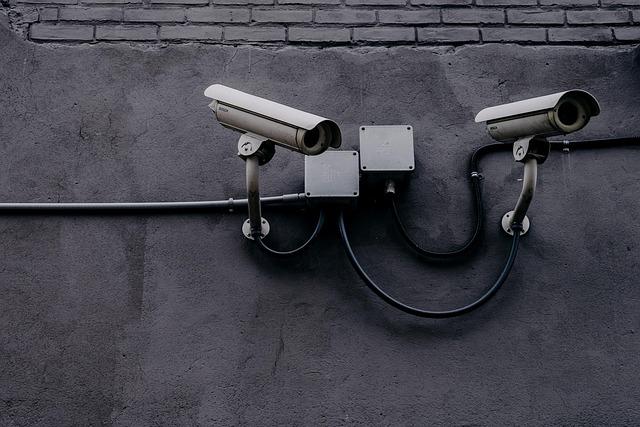
Flock, a company specializing in advanced surveillance technology, has recently found itself at the center of controversy as its high-tech cameras face mounting criticism and acts of vandalism across the United States. Marketed as a tool to enhance public safety and assist law enforcement, these automated license plate readers have sparked a heated debate over privacy concerns and civil liberties. As communities react with skepticism and even hostility, questions arise about the balance between security and surveillance, prompting a closer look at what is driving the backlash against Flock’s expanding network.
Flock Cameras Spark Privacy and Surveillance Concerns in Communities
Across numerous neighborhoods, residents and privacy advocates are raising alarms over the increasing installation of Flock cameras—license plate recognition devices purportedly used to enhance public safety. Critics argue that these cameras operate with minimal transparency, lacking clear regulations on data collection, retention, and sharing. Concerns focus on the risk of mass surveillance and the potential misuse of personal information, with many pointing to the absence of robust oversight as a critical vulnerability.
The controversy has not only sparked heated debates but also acts of defiance. Reports of vandalism targeting these surveillance units have surged, reflecting growing community distrust. Below is a summary of key concerns voiced by opponents:
- Privacy Invasion: Unconsented tracking of vehicle movements on public and private streets.
- Data Security: Unclear protocols on who accesses and how long data is stored.
- Lack of Transparency: Limited disclosure from agencies deploying the cameras.
- Potential for Abuse: Concerns over data being used beyond traffic enforcement.
| Issue | Community Impact |
|---|---|
| Unregulated Data Collection | Breeds mistrust, fear of surveillance state |
| Vandalism Incidents | Property damage, increased police presence |
| Legal Challenges | Calls for new privacy laws and policies |
| Public Debate | Divides communities over safety vs. privacy |
Vandalism Incidents Increase as Public Pushback Intensifies
Over the past several months, neighborhoods implementing Flock cameras have witnessed a troubling rise in vandalism incidents targeting these surveillance devices. Critics argue that increased surveillance infringes on personal privacy, prompting some to take matters into their own hands. Reports indicate that cameras have been defaced, shattered, or unplugged, severely hindering law enforcement’s ability to deter crime. In several cases, community members have organized spontaneous demonstrations expressing their dissatisfaction, often coinciding with the damage to the equipment.
Key factors contributing to the backlash include:
- Concerns over the potential misuse of footage and data privacy violations
- Distrust of law enforcement agencies’ use of surveillance technology
- Perceptions of heightened surveillance disproportionately affecting marginalized groups
- Insufficient community engagement prior to camera installation
| Month | Reported Vandalism Cases | Surveillance Complaints |
|---|---|---|
| January | 12 | 24 |
| February | 18 | 31 |
| March | 25 | 45 |
Law Enforcement and City Officials Defend Use Citing Public Safety Benefits
City officials and law enforcement agencies continue to champion the deployment of Flock cameras, emphasizing their role as a critical tool in enhancing public safety. According to statements from local authorities, these devices have contributed to solving numerous high-profile cases by providing real-time license plate data that helps track stolen vehicles, locate suspects, and reduce crime rates in neighborhoods. Supporters argue that the technology acts as a deterrent, creating an environment where criminals are less likely to engage in unlawful activities due to the increased risk of being caught promptly.
Key benefits highlighted include:
- Accelerated investigations with immediate access to vehicle data.
- Improved resource allocation by targeting patrols in high-incident areas.
- Enhanced monitoring during public events to prevent disturbances.
| Reported Benefit | Impact |
|---|---|
| Crime resolution rate | +18% increase |
| Response time | Reduced by 25% |
| Community-police trust | Improved in 3 pilot districts |
Experts Recommend Transparent Policies and Enhanced Community Engagement
In response to growing public concern, experts are calling for transparent policies that clearly outline how data from Flock cameras is collected, stored, and shared. Transparency is seen as a crucial step in rebuilding trust between law enforcement agencies and communities wary of surveillance. Advocates argue that when authorities openly communicate the purpose and limitations of these cameras, it helps demystify the technology and reduces fears about mass surveillance and privacy violations.
Moreover, professionals emphasize the need for enhanced community engagement to foster dialogue and cooperation. An inclusive approach where residents are actively involved can mitigate misunderstandings and promote responsible use of the technology. Suggested best practices include:
- Hosting public forums and informational sessions
- Collaborating with local civil rights organizations
- Publishing regular reports on camera activity and impact
- Incorporating feedback mechanisms for community concerns
| Key Element | Impact on Public Trust |
|---|---|
| Transparent Data Policies | Increases confidence in ethical use |
| Community Engagement Initiatives | Strengthens cooperative relationships |
| Regular Impact Reporting | Enhances accountability and transparency |
The Conclusion
As the debate over Flock cameras intensifies, communities and experts continue to weigh their potential benefits against concerns over privacy and misuse. With critics questioning the surveillance technology’s impact on civil liberties and reports of vandalism on the rise, the future of these devices remains uncertain. How lawmakers, law enforcement, and the public navigate this unfolding controversy will shape the landscape of urban surveillance in the years to come.