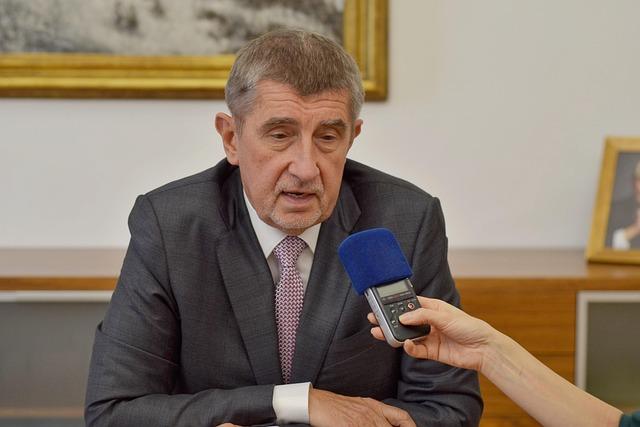
In a dramatic escalation of tensions, Iran’s Sports Minister has publicly criticized the United States and confirmed that the national soccer team will not participate in the upcoming FIFA World Cup. The announcement, which comes amid growing political and diplomatic strains, has sent shockwaves through the international sports community. According to reports from TMZ, the minister’s remarks underscore the deepening rift between the two countries and mark a significant development in the intersection of sports and geopolitics.
Iran Sports Minister Condemns U.S. Policies Amid World Cup Fallout
Iran’s Sports Minister has openly criticized U.S. policies, attributing them to the escalating tensions affecting international sports diplomacy. In a recent statement, he condemned the political pressures surrounding the World Cup events, emphasizing that the Iranian football team will abstain from participating under current conditions. This decision, he argues, is a stand against what he describes as “unjust and hostile measures” imposed by the U.S., which, according to him, jeopardize the spirit of global competitions and fair play.
The minister further outlined that Iran prioritizes respect and sovereignty in international engagements, refusing to allow political interference to dictate their sports agenda. He pointed out several consequences of the fallout:
- Potential long-term damage to athlete development and international exposure
- Strained diplomatic relations impacting broader cultural exchanges
- Heightened calls within Iran to support homegrown sports initiatives
| Aspect | Impact |
|---|---|
| Team Morale | Negatively affected by political interference |
| International Relations | Increased tensions with the U.S. |
| Public Opinion | Divided support inside Iran |
Impact of Political Tensions on Iran’s World Cup Participation
Recent political tensions between Iran and the United States have escalated to a point where the Iranian Sports Minister has vehemently criticized U.S. policies, directly impacting the nation’s participation in the upcoming World Cup. This rare public denunciation reflects growing frustration within Iran’s sports administration, underlining how geopolitical disputes spill over into international sporting events. The minister’s declaration indicates a firm stance: the Iranian team will not partake in the World Cup under current circumstances, citing what they describe as unfair treatment and political interference.
Experts and officials highlight several key consequences of this decision:
- Disappointment among athletes who have trained rigorously for years to compete on the world stage.
- Widespread debate within the global sports community on separating politics from sportsmanship.
- Potential diplomatic fallout as international organizations scramble to address the sudden withdrawal.
| Aspect | Details |
|---|---|
| Reason for Withdrawal | Political tensions with the U.S. |
| Official Statement | Accusations of unfair political interference |
| Impact on Team | Loss of World Cup opportunity |
| Global Reaction | Mixed responses from sports authorities |
Analysis of Consequences for Iranian Athletes and International Sports Relations
The decision by Iran’s Sports Minister to pull the national team from the World Cup following criticisms of the U.S. signals significant repercussions for Iranian athletes, who face the loss of crucial international exposure and competitive experience. This withdrawal not only undermines the athletes’ years of preparation but also limits their opportunity to showcase talent on the world stage. The defeat goes beyond sport, as sanctions and political strife increasingly interfere with athletes’ careers, contributing to a climate of uncertainty and frustration within the sports community.
On an international level, this move threatens to widen the gap between Iran and global sports organizations, potentially triggering diplomatic strains. Key consequences include:
- Disruptions in ongoing and future international sports collaborations
- Potential suspension or penalization in global sports federations
- Reduced cultural and socio-political dialogue opportunities through sports diplomacy
| Impact Area | Short Term | Long Term |
|---|---|---|
| Iranian Athletes | Missed competition, morale drop | Skill stagnation, loss of career momentum |
| International Sports Relations | Diplomatic tensions rise | Isolation from global sports community |
| Sports Governance | Review of sanctions and participation rules | Potential policy reforms on politicization of sports |
Recommendations for Diplomatic Engagement to Protect Iranian Sports Interests
To safeguard the interests of Iranian athletes on the global stage, diplomatic efforts must focus on fostering dialogue that transcends political tensions. Engaging in multilateral sports diplomacy presents an opportunity for Iran to maintain its international sports presence despite ongoing geopolitical conflicts. It is vital that channels remain open with international sports bodies such as FIFA and the International Olympic Committee, emphasizing the separation of sports from political disputes to protect athletes’ rights to compete freely and fairly.
Additionally, Iran should prioritize building strategic partnerships with neighboring countries and regional sports organizations to create alternative platforms for competition and training. This approach can be structured around:
- Organizing regional tournaments that elevate the profile of Iranian athletes.
- Negotiating bilateral agreements ensuring safe participation and travel for athletes.
- Investing in diplomatic outreach to spotlight sport as a unifying force.
| Diplomatic Strategy | Key Objective |
|---|---|
| Multilateral Engagement | Preserve Iran’s eligibility and participation in global events |
| Regional Cooperation | Create alternative competitive platforms and training hubs |
| Sport Diplomacy Messaging | Emphasize the apolitical nature of sportsmanship |
Closing Remarks
As tensions continue to escalate between Iran and the United States, the decision by Iran’s Sports Minister to withdraw the national team from the upcoming World Cup marks a significant development in the realm of international sports and diplomacy. The move underscores the complex interplay between politics and athletics, with repercussions that will be closely watched by supporters and officials worldwide. Further updates are expected as this story unfolds.