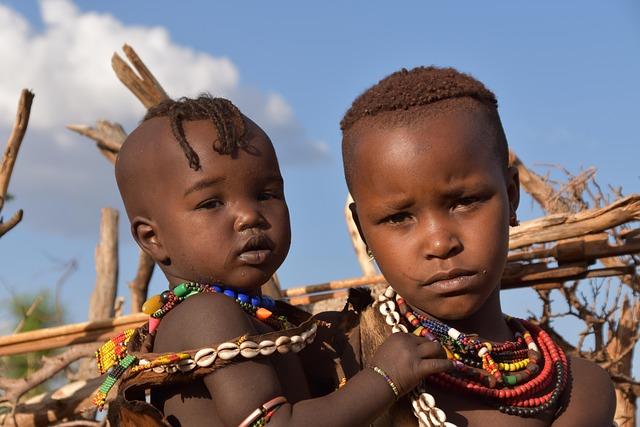
In the heart of Ethiopia’s Tigray region, a transformative vision is taking shape—one that promises to reshape the future of thousands of children through education. Amid ongoing challenges, UNICEF USA is spearheading critical investments aimed at rebuilding and enhancing educational infrastructure, providing learning materials, and training teachers. This initiative not only seeks to restore schools disrupted by conflict but also to ignite hope and opportunity for a generation eager to learn. As Tigray works towards recovery, the dream of education stands as a beacon of resilience and renewal. This article explores how these investments are laying the groundwork for a brighter tomorrow in one of Ethiopia’s most vulnerable regions.
UNICEF USA Champions Education Initiatives Amid Tigray Crisis
In response to the ongoing humanitarian emergency in Tigray, UNICEF USA has intensified its commitment to safeguarding the future of thousands of children through targeted education programs. Despite the challenges posed by conflict, displacement, and disrupted infrastructure, efforts focus on delivering essential learning materials, establishing temporary learning spaces, and supporting the psychosocial needs of young learners. These initiatives not only aim to restore access to education but also to build resilience within communities facing adversity.
Key interventions spearheaded by UNICEF USA include:
- Distribution of textbooks and school supplies to displaced and vulnerable children.
- Training teachers on trauma-informed educational practices.
- Safe reopening of schools in conflict-affected areas with necessary health protocols.
These collaborative efforts with local partners demonstrate a steadfast commitment to ensuring that the dream of education remains alive amidst the crisis, providing hope and stability to young Ethiopians striving for a brighter future.
Challenges Facing Educational Infrastructure in Tigray Region
The educational landscape in Tigray is currently grappling with critical setbacks that impede the delivery of quality learning experiences to its youth. A significant proportion of schools face infrastructural decay, including dilapidated classrooms and inadequate sanitation facilities, which restrict safe and conducive environments for students. Compounded by intermittent access to electricity and clean water, these deficiencies pose serious challenges to both teaching effectiveness and student attendance.
Furthermore, key obstacles include:
- Damage to Learning Materials: Destruction of textbooks and educational supplies disrupts curriculum continuity.
- Teacher Shortages: A deficit of qualified educators limits personalized attention and academic progress.
- Overcrowded Classrooms: High student-to-teacher ratios undermine interactive learning.
- Limited Technological Resources: Inadequate digital tools hinder modern education delivery and skill acquisition.
| Issue | Impact |
|---|---|
| Structural Damage | Unsafe learning environments, decreased student retention |
| Resource Scarcity | Interrupted academic programs, low engagement |
| Human Capital Constraints | Lower instructional quality, limited mentorship |
Strategic Investments Driving Access and Quality in Tigray Schools
In the heart of Tigray, a series of targeted investments are reshaping the educational landscape, ensuring children have both the means and environment to flourish. Infrastructure enhancements like the construction and renovation of classrooms are addressing the critical shortage of learning spaces, while the provision of essential learning materials empowers teachers and students alike. These strategic moves underline the commitment to dismantling barriers to education—rural outreach programs, digital learning tools, and teacher training initiatives are central pillars driving this transformation.
Key components of this initiative include:
- Expansion of school facilities equipped with solar-powered lighting and clean water access
- Distribution of textbooks and technology-enabled learning aids
- Professional development programs enhancing teacher effectiveness
- Community engagement efforts fostering parental involvement and student retention
| Investment Area | Impact Metric | Outcomes |
|---|---|---|
| School Infrastructure | 30+ schools built/renovated | Increased enrollment by 25% |
| Learning Resources | Over 10,000 textbooks distributed | Improved literacy rates by 15% |
| Teacher Training | 500+ teachers certified | Higher student engagement and test scores |
Recommendations for Sustained Support and Community Engagement
Long-term commitment from both local and international stakeholders is crucial to create a stable educational environment in Tigray. Collaborative efforts must prioritize the rebuilding of infrastructure, teacher training, and curriculum development that reflects the unique cultural and social context of the region. Additionally, financial mechanisms should be established to ensure continuous funding and resource allocation, minimizing interruptions caused by political or economic instability.
Effective community engagement involves empowering parents, teachers, and youth groups to actively participate in decision-making processes. Emphasizing transparent communication channels and local ownership strengthens trust and accountability. Key strategies include:
- Supporting community-led initiatives that address educational challenges.
- Organizing regular forums for stakeholders to share feedback and progress.
- Integrating technology to connect remote areas and enhance learning opportunities.
- Promoting gender equality programs to ensure inclusive access for all children.
Insights and Conclusions
As Ethiopia continues to navigate complex challenges, the investments in education within the Tigray region stand as a critical beacon of hope for the future. UNICEF USA’s commitment to supporting infrastructure, resources, and inclusive learning environments aims to rebuild and empower a generation affected by conflict. While obstacles remain, these efforts underscore the vital role of education in fostering resilience and long-term development. The dream of accessible, quality education for all children in Tigray is not just an aspiration but an achievable reality—one that requires sustained global attention and support.