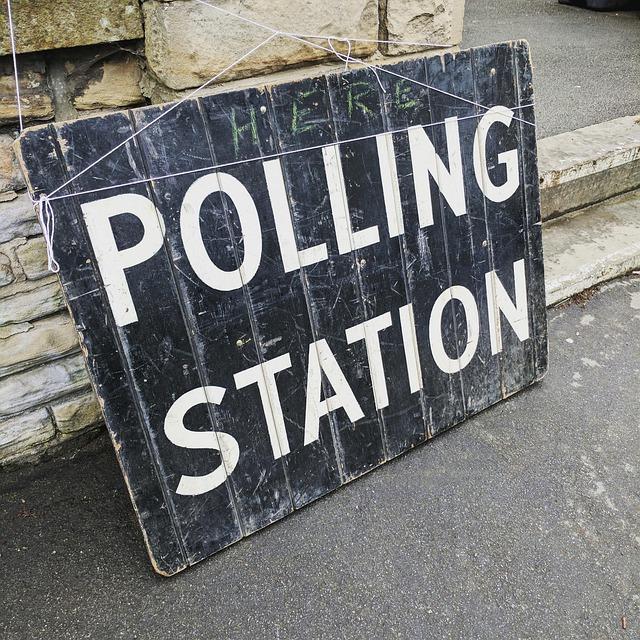
As the 2026 midterm elections approach, political analysts and voters alike are turning to history for insights into what lies ahead. Drawing on decades of electoral data and expert analysis, a recent report from the Brookings Institution examines the patterns and lessons embedded in past midterm contests. Understanding these historical trends offers a crucial lens for deciphering the potential dynamics of the 2026 races, from voter turnout to party performance, and the broader implications for American democracy. This article explores the key takeaways from Brookings’ findings and what they may signal for the political landscape in the coming election cycle.
Historical Patterns Shaping Voter Turnout and Engagement in Midterms
Midterm elections have historically been marked by fluctuating levels of voter turnout, often influenced by broader political dynamics and societal sentiments prevailing at the time. Typically, midterms attract less voter participation than presidential elections, with turnout rates commonly hovering around 40% to 50%. Key factors shaping these trends include the incumbent party’s popularity, the intensity of the national political climate, and major legislative achievements or failures. For example, significant economic downturns or public dissatisfaction with the administration have tended to drive higher engagement, as voters seek to recalibrate the balance of power in Congress.
Analyzing midterm turnout patterns reveals recurrent catalysts for increased voter engagement:
- Polarizing Issues: Contentious topics like healthcare reform or social justice movements often mobilize previously apathetic voters.
- Close Races: Tight elections, especially in swing states or districts, trigger higher turnout due to perceived stakes.
- Grassroots Mobilization: Community-driven campaigns and effective voter outreach programs play crucial roles.
| Midterm Year | Voter Turnout (%) | Notable Influence |
|---|---|---|
| 2010 | 41.5 | Tea Party Movement |
| 2014 | 36.7 | Presidential Approval Decline |
| 2018 | 50.3 | Resistance to Administration Policies |
Understanding these historical patterns equips analysts and campaigners with foresight for the 2026 midterms, highlighting the crucial blend of national mood and ground-level engagement that ultimately drives voter behavior.
Analyzing Party Performance Trends and Their Impact on Political Control
Historical data reveals that midterm election outcomes often serve as a referendum on the incumbent party’s performance, with notable shifts frequently correlating with the public’s satisfaction or dissatisfaction with economic conditions, legislative success, and national stability. Political analysts observe that when a party controls the White House but struggles with legislative gridlock or public approval dips below 45%, the opposition gains momentum, frequently translating into seat losses. These trends underscore how voter sentiment, amplified by media narratives and key events, can dramatically reshape congressional composition.
Analyzing trends from the last several midterms highlights several key factors influencing the balance of political control:
- Economic Indicators: Employment rates, inflation, and GDP growth heavily influence voter choices.
- Incumbent Approval Ratings: Higher presidential approval reduces midterm losses for the ruling party.
- Party Mobilization and Turnout: Grassroots efforts and voter enthusiasm often tip the electoral scales.
- Historical Seat Swings: Midterms typically see a 20-40 seat shift in the House depending on national mood.
| Election Year | Incumbent Party | House Seat Change | Presidential Approval |
|---|---|---|---|
| 2010 | Democrats | -63 | ~45% |
| 2014 | Democrats | -13 | ~44% |
| 2018 | Republicans | -41 | ~45% |
| 2022 | Democrats | -9 | ~42% |
The Influence of Economic and Social Factors on Election Outcomes
Economic conditions have long been a pivotal determinant in shaping voter behavior during midterm elections, with recessions, unemployment rates, and inflation figures directly influencing public sentiment. Historically, voters tend to hold the party in power accountable during economic downturns, leading to significant seat losses. Job security and wage growth often emerge as decisive factors, especially among working-class constituencies, who may pivot support toward challengers promising economic reform and stability.
Social dynamics further complicate election outcomes by intersecting with economic realities. Demographic shifts, including racial and generational changes, affect party coalitions and turnout patterns. Key elements such as education levels, urban versus rural residency, and cultural values heavily impact voter priorities. Below is a concise overview of how these economic and social factors have historically interacted to sway midterm elections:
| Factor | Typical Influence | Recent Example |
|---|---|---|
| Unemployment Rate | High rates hurt incumbent party | 2010 Midterms, Post-Recession |
| Inflation | Rising costs boost opposition appeal | 2022 Midterms |
| Urbanization | Urban growth strengthens Democrats | 2018 Midterms |
| Generational Change | Younger voters favor progressive agendas | 2018 & 2022 Races |
- Economic uncertainty tends to depress turnout among traditionally Republican voters.
- Social issues can mobilize younger and minority voters, impacting tight races.
- Combined, these factors often forecast swings that reshape congressional balance.
Strategic Recommendations for Candidates and Campaigns in 2026 Midterms
As the 2026 midterms approach, candidates and campaign teams should prioritize voter engagement strategies that leverage lessons from past cycles. Historical data shows that mobilizing key demographic groups—such as young voters, suburban women, and minority communities—can decisively swing tight races. Campaigns must also adapt to changing media landscapes by blending traditional outreach with robust digital and social media tactics, ensuring that messaging resonates across diverse platforms. Data-driven decision-making and real-time feedback loops will be crucial in adjusting strategies dynamically, especially in battleground districts.
Moreover, transparency and authenticity have emerged as non-negotiable factors for earning voter trust. Candidates should highlight clear policy proposals while maintaining consistent communication to counter misinformation. Focusing on localized issues alongside national narratives allows campaigns to connect deeply with constituents. Consider the following core strategic pillars for 2026:
- Targeted outreach: Tailor messaging by demographics and geography.
- Coalition building: Forge alliances with community leaders and interest groups.
- Digital innovation: Employ cutting-edge tools for voter analysis and mobilization.
- Resilience planning: Prepare for rapid responses to unforeseen political developments.
| Strategy | Expected Impact |
|---|---|
| Micro-targeting swing voters | Higher voter turnout in key districts |
| Enhanced grassroots organizing | Stronger community engagement |
| Cross-platform media campaigns | Increased message penetration |
Concluding Remarks
As the 2026 midterm elections approach, historical patterns offer valuable insights but no definitive predictions. Past trends remind us of the complexities shaping voter behavior and party dynamics, underscoring the importance of contemporary factors alongside the lessons of history. While the Brookings analysis provides a robust framework for understanding potential outcomes, the unfolding political landscape will ultimately determine the course of the elections. Staying informed and engaged remains crucial as the nation prepares to once again exercise its democratic voice.