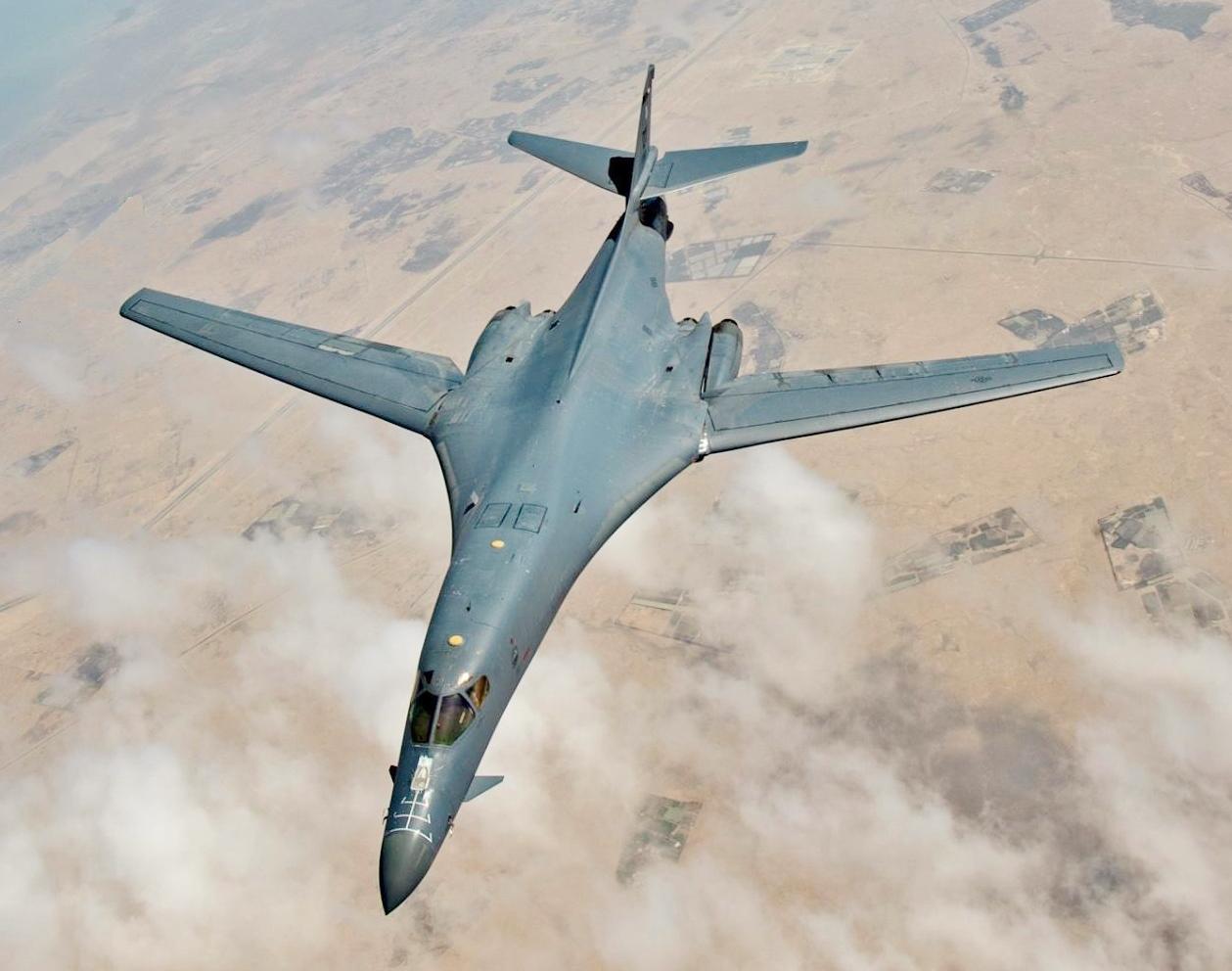
In a significant escalation of military maneuvers in Latin America, the United States has deployed B-1 bombers near Venezuelan airspace, signaling increased pressure on the Maduro government. This deployment, reported exclusively by The Wall Street Journal, underscores Washington’s intensifying strategic posture amid growing regional tensions and a deepening standoff over Venezuela’s political crisis. The move marks a notable shift in U.S. military activity, aiming to reaffirm deterrence and support regional allies in the face of what officials describe as security challenges emanating from Caracas.
U.S. Deploys B-1 Bombers Near Venezuelan Airspace Signaling Strategic Escalation
In a significant move highlighting escalating tensions in the Latin American region, the United States has deployed B-1 bombers to operate near Venezuelan airspace. This maneuver marks a noticeable increase in military activity around Venezuela, reflecting Washington’s intention to send a pointed message amid ongoing geopolitical disputes. The bombers, known for their long-range capabilities and substantial payload, are conducting routine patrols and training exercises designed to demonstrate U.S. airpower projection and readiness in response to what officials describe as increasing instability in the region.
Analysts note that this deployment serves multiple strategic purposes:
- Deterrence: Projecting strength to dissuade Venezuelan government actions perceived as hostile.
- Surveillance: Enhancing intelligence gathering near critical maritime and air routes.
- Alliance Signaling: Reassuring U.S. partners and regional allies of its commitment to regional security.
As the situation unfolds, experts emphasize the delicate balance of maintaining pressure without sparking direct confrontation, underscoring the complex interplay between military readiness and diplomatic maneuvering.
Implications for Regional Stability Amid Rising Tensions Between Washington and Caracas
The deployment of B-1 bombers near Venezuelan airspace marks a significant intensification in U.S. military posture, raising alarms across Latin America. Regional governments are now compelled to reassess their security frameworks amid fears that escalating Washington-Caracas tensions may destabilize the fragile political equilibrium. The proximity of American strategic assets could provoke reactive measures from Caracas, including increased military drills or alliances with non-Western powers. This dynamic risks igniting a security dilemma that extends beyond bilateral conflict, potentially drawing neighboring countries into a broader confrontation.
Key regional concerns include:
- Disruption of diplomatic progress: Efforts at dialogue and conflict resolution may stall as mistrust deepens.
- Economic pressure: Sanctions and military posturing could aggravate economic hardships, fueling unrest.
- Migration surges: Heightened instability may trigger new waves of refugees seeking safety.
| Country | Potential Impact | Risk Level |
|---|---|---|
| Colombia | Border security challenges, refugee influx | High |
| Brazil | Economic ties strained, diplomatic balancing act | Medium |
| Guyana | Energy sector disruption, territorial concerns | Medium |
| Caribbean States | Maritime security and trade route risks | Low to Medium |
Analysis of Military Posture and Potential Responses from Venezuela and Allied Powers
The deployment of U.S. B-1 bombers near Venezuelan airspace signals a strategic escalation that experts interpret as a deliberate message to Caracas and its regional allies. Military analysts emphasize that these long-range bombers, capable of carrying substantial payloads, enhance the U.S. capability to project power swiftly across Latin America. Venezuelan forces, already on heightened alert, are expected to respond by bolstering air defense systems and conducting frequent readiness drills, aiming to deter any perceived threats. The move further complicates an already tense regional security environment, with implications extending beyond bilateral U.S.-Venezuela relations.
Potential responses from Venezuela and its allies could include:
- Increased coordination with allied nations such as Russia and Cuba to strengthen military presence and share intelligence
- Public diplomatic condemnations aimed at rallying international support and framing U.S. actions as acts of aggression
- Mobilization of paramilitary groups and irregular forces to prepare for asymmetric responses
- Deployment of mobile missile systems near strategic locations to counterbalance aerial threats
| Country | Likely Military Response | Strategic Objective |
|---|---|---|
| Venezuela | Air defense drills, missile deployments | Protect airspace, deter U.S. operations |
| Russia | Intelligence support, arms shipments | Expand regional influence, counter U.S. presence |
| Cuba | Naval patrols, joint military exercises | Secure Caribbean corridor, support Venezuela |
Policy Recommendations for Diplomacy and De-escalation in the Western Hemisphere
In light of escalating military maneuvers near Venezuela, it is imperative that diplomatic channels be reinforced to prevent further destabilization in the Western Hemisphere. Proactive engagement strategies must prioritize multilateral dialogue involving regional organizations such as the Organization of American States (OAS) and the Community of Latin American and Caribbean States (CELAC). These platforms can facilitate communication and mediate tensions, ensuring all parties’ concerns are addressed without resorting to military force.
Key policy initiatives should include:
- Immediate confidence-building measures such as mutual military transparency and the establishment of direct communication hotlines between defense officials.
- Renewed commitments to existing arms control agreements to reduce the risk of unintended escalation.
- Enhanced economic cooperation and humanitarian support to stabilize the region’s fragile socio-political environment.
| Policy Area | Recommended Action | Expected Outcome |
|---|---|---|
| Diplomatic Dialogue | Engage regional bodies | Reduced tensions, improved trust |
| Military Transparency | Exchange of operational information | Lower risk of accidental conflict |
| Humanitarian Aid | Expand support programs | Increased regional stability |
In Summary
As tensions continue to mount in the region, the deployment of U.S. B-1 bombers near Venezuela marks a significant escalation in military posturing. This move underscores Washington’s heightened focus on countering perceived threats and asserting its strategic interests in South America. Observers will be closely watching how Caracas responds and what implications this development may hold for regional stability in the coming weeks.