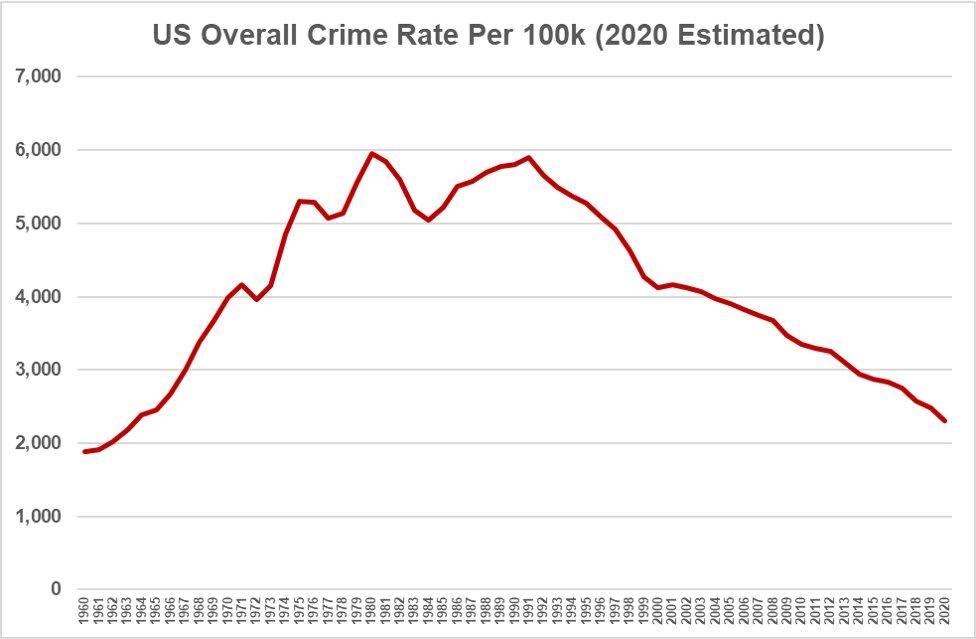
The landscape of violent crime across the United States experienced notable shifts in 2020, a year marked by unprecedented social and economic challenges. Statista’s latest data provides a comprehensive breakdown of changes in violent crime rates by state, revealing stark regional variations and emerging trends. This analysis sheds light on the evolving nature of public safety concerns amid the backdrop of a global pandemic and widespread social unrest, offering critical insights for policymakers, law enforcement, and communities nationwide.
Change in Violent Crime Rates Across US States in 2020
The landscape of violent crime across the United States experienced notable fluctuations in 2020, with some states recording significant increases while others observed declines. States like Alaska, New Mexico, and Nevada saw sharp rises in violent crime rates, driven largely by increases in aggravated assaults and robberies. In contrast, places such as New York, Massachusetts, and Hawaii managed to reduce their violent crime figures despite nationwide challenges. This divergence highlights the complex socio-economic factors and local policy responses influencing crime trends during a turbulent year marked by the COVID-19 pandemic and social unrest.
Key factors contributing to these shifts include:
- Economic Disruptions: Job losses and financial instability may have exacerbated tensions, leading to higher crime rates in some regions.
- Changes in Policing and Justice Policies: Adjustments to law enforcement practices and court system backlogs impacted crime reporting and response.
- Community Resources: Availability of social services and community support played a critical role in crime mitigation efforts.
| State | 2020 Change (%) | Notable Crime Increase |
|---|---|---|
| Alaska | +18.5% | Aggravated Assault |
| New York | -7.2% | Homicide |
| Nevada | +12.3% | Robbery |
| Massachusetts | -4.5% | Violent Theft |
Regional Variations and Trends in Violent Offenses
Across the United States, violent crime rates in 2020 displayed notable regional disparities, influenced by a complex mix of socioeconomic factors, law enforcement policies, and local community dynamics. States in the South and West generally reported higher increases in violent offenses compared to their Northeastern and Midwestern counterparts. For example, areas like Louisiana and Arizona saw spikes in aggravated assaults and firearm-related crimes, while states such as Maine and Minnesota experienced stable or even reduced violent crime figures. These divergent trends reflect localized challenges, including economic instability and varying levels of urbanization, shaping the broader national picture.
Key regional observations include:
- Southern states: Marked by significant year-over-year increases, especially in homicide and robbery rates.
- Western states: Saw surges primarily driven by property crimes, but violent crime numbers also rose moderately.
- Northeastern states: Maintained relatively stable or declining violent crime patterns, with some exceptions in major metropolitan hubs.
- Midwestern states: Varied outcomes, with several states showing minimal change, suggesting effective local prevention strategies.
| Region | Average Change in Violent Crime (%) | Most Affected Offense |
|---|---|---|
| South | +12.3 | Aggravated Assault |
| West | +8.7 | Firearm-related Offenses |
| Northeast | -2.1 | Robbery |
| Midwest | +0.5 | Homicide |
Factors Driving the Rise and Fall of Violent Crime Rates
Understanding the fluctuations in violent crime rates requires a look at a combination of socio-economic and policy factors that vary widely across states. Economic instability, including unemployment and poverty, often correlates with higher instances of violent crime. Additionally, changes in law enforcement practices, such as community policing or increased funding for crime prevention programs, have shown measurable impacts on reducing crime in certain regions. The availability of firearms and shifts in drug markets also significantly influence the dynamics of violent offenses, as do broader demographic changes like youth population growth or urbanization trends.
Moreover, social factors including education levels, access to mental health services, and community cohesion play pivotal roles in deterring or exacerbating violence. Below is a simplified breakdown of key drivers often linked with violent crime rate changes:
- Economic Factors: Unemployment rates, income inequality
- Law Enforcement Strategies: Police presence, crime prevention investments
- Social Services: Education, mental health availability
- Demographic Shifts: Age distribution, migration patterns
- Legislation & Gun Control: Regulation stringency, enforcement efficacy
| Factor | Impact on Violent Crime Rates | Example |
|---|---|---|
| Economic Downturn | Increase | Rise in unemployment in 2020 |
| Enhanced Policing | Decrease | Community outreach programs |
| Gun Legislation | Mixed impact | Varied state laws and enforcement |
| Education Investment | Decrease | Higher school graduation rates |
Policy Recommendations to Address State-Level Crime Fluctuations
To effectively mitigate sharp variances in violent crime rates observed across states, policymakers must adopt a multifaceted approach that addresses root causes and promotes community engagement. Prioritizing investment in local law enforcement training tailored to the unique crime patterns within each state can enhance response effectiveness. Additionally, expanding mental health services and substance abuse programs in high-crime areas supports preventive measures by targeting underlying social determinants. States with increasing violent crime should also consider bolstering youth outreach initiatives, aiming to reduce gang involvement by providing education and employment opportunities.
Collaboration between state governments and federal agencies can further be optimized by sharing data analytics and best practices through centralized platforms. In practice, the following key strategies are recommended:
- Community-Oriented Policing: Foster stronger police-community relations to encourage trust and cooperation.
- Resource Allocation: Direct funds to districts exhibiting the highest spikes in violent crimes.
- Sentencing Reform: Reevaluate policies to distinguish between violent and nonviolent offenses for more proportional penalties.
- Data Transparency: Enhance reporting mechanisms for real-time crime tracking and public awareness.
In Conclusion
In summary, the fluctuating violent crime rates across U.S. states in 2020 underscore the complexities of addressing public safety amid unprecedented social and economic challenges. As policymakers and law enforcement agencies digest these figures, the need for tailored, data-driven approaches becomes increasingly clear. Continued monitoring and analysis will be essential to understanding the underlying factors behind these trends and to crafting effective strategies aimed at reducing violence nationwide.