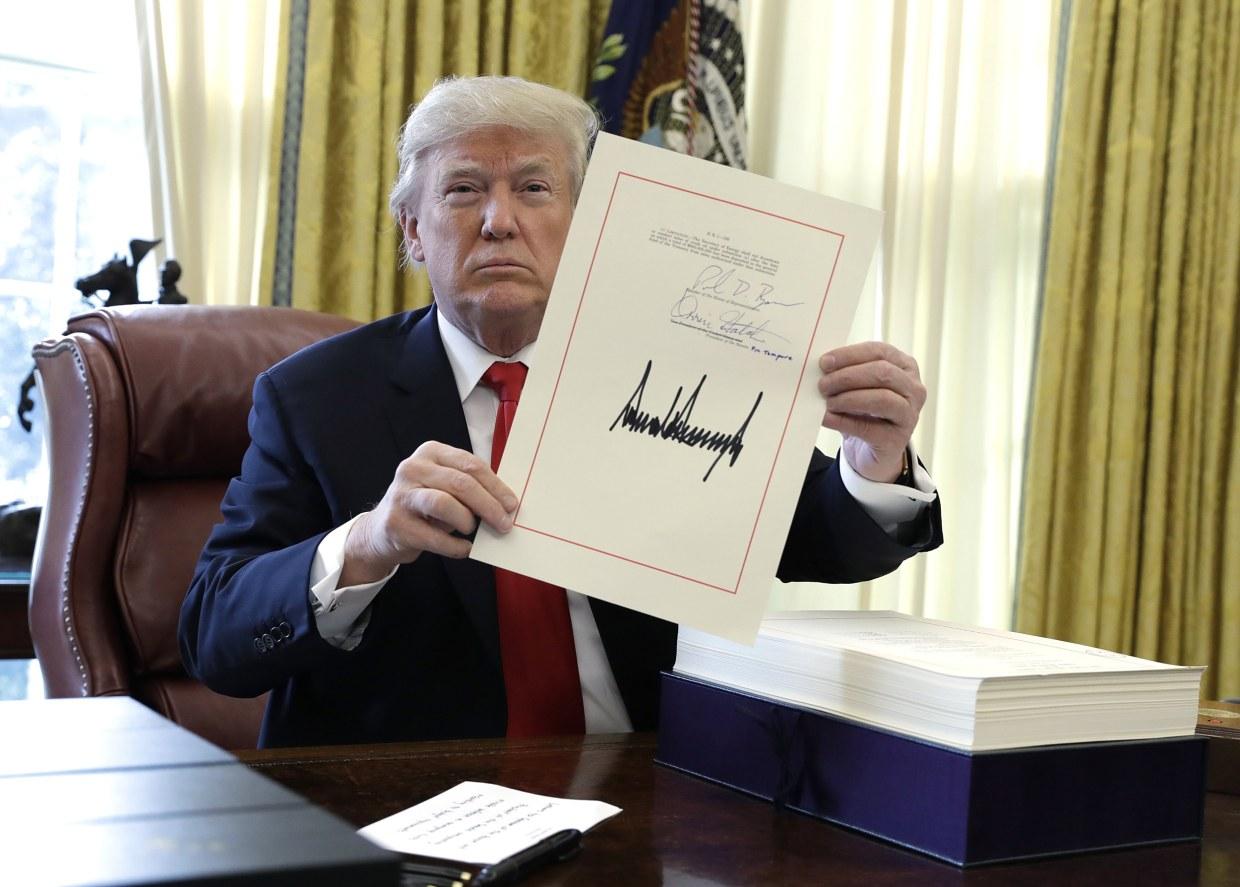
The Senate is heading into a decisive final vote on a high-stakes bill that proposes significant tax cuts and changes to Medicaid, with former President Donald Trump’s support adding heightened attention to the proceedings. As lawmakers debate the potential economic and social impacts, the outcome of this vote could shape fiscal policy and healthcare access for millions of Americans. Stay with us for live updates on this pivotal moment in Washington.
Senate Prepares for Critical Vote on Controversial Trump Tax Cut Bill
The Senate is on the brink of a decisive vote that could reshape tax policy and Medicaid funding nationwide. Lawmakers are sharply divided as tensions rise over the provisions within the bill, which promises significant tax cuts predominantly benefiting higher-income earners while proposing notable adjustments to Medicaid budgets. Critics argue the legislation favors the wealthy at the expense of vulnerable populations, while supporters claim it will stimulate economic growth and reduce federal deficits.
Key points fueling the debate include:
- Tax reductions: An average cut of 15% for top earners and corporations.
- Medicaid restructuring: Caps federal spending growth over the next decade.
- Impact on healthcare access: Potential reduction in coverage for low-income individuals.
- Economic forecasts: Diverse predictions on growth and deficit effects.
| Aspect | Supporters’ View | Opponents’ View |
|---|---|---|
| Tax Cuts | Stimulates investment and job creation | Benefits wealthy disproportionately |
| Medicaid Changes | Controls federal spending responsibly | Limits access for vulnerable groups |
| Deficit Impact | Long-term economic growth offsets losses | Increases budget deficit significantly |
Medicaid Funding Changes Spark Debate Among Lawmakers
Lawmakers remain sharply divided over the proposed adjustments to Medicaid funding embedded in the latest tax bill. Proponents argue that the changes are necessary for fiscal responsibility, aiming to curb federal spending by imposing stricter eligibility requirements and reducing the growth rate of state funding. Opponents, however, warn that these cuts could jeopardize access to vital health services for millions of low-income Americans, potentially reversing years of progress in healthcare coverage.
- Supporters: Emphasize budget control and long-term economic sustainability.
- Critics: Highlight risks of increased uninsured populations and strain on hospitals.
- States Impacted: Particularly vulnerable are those heavily reliant on Medicaid expansion funds.
| State | Estimated Funding Cut | Medicaid Enrollment Impact |
|---|---|---|
| California | $3.2B | -1.2 million |
| Texas | $2.7B | -900,000 |
| New York | $2.1B | -800,000 |
Economic Impact and White House Response to Proposed Legislation
The proposed legislation aims to stimulate economic growth through a combination of significant tax cuts and restructuring of Medicaid funding. Proponents argue that the tax reductions, particularly for corporations and high-income earners, could incentivize investment, job creation, and consumer spending, thus revitalizing a sluggish economy. However, critics warn of potential budget deficits and increased federal debt, raising concerns over the long-term fiscal health of the nation. The Medicaid revisions, poised to reduce federal spending, may affect millions of low-income Americans who rely on these health services, sparking debate over the social safety net’s sustainability.
The White House has expressed strong support for the bill, emphasizing its potential to “unlock economic potential” while “ensuring fiscal responsibility through targeted healthcare reforms.” Key administration officials have outlined a strategic plan to mitigate adverse effects on vulnerable populations, including enhanced funding mechanisms and state-level flexibility. Republican leaders in the Senate have rallied behind the measure, highlighting projected job growth and reduced regulatory burdens as major benefits. Meanwhile, opposition voices remain vigilant, calling for comprehensive impact assessments before final approval.
| Aspect | Projected Outcome |
|---|---|
| Tax Cuts | Increase corporate investment by 5-7% over 2 years |
| Medicaid Funding | Reduce federal spending by $100 billion annually |
| Job Creation | Estimate 500,000 new jobs within 18 months |
| Federal Deficit Impact | Potential increase of $200 billion over 5 years |
- Supporters: Emphasize economic stimulus and fiscal prudence.
- Opponents: Focus on social service cuts and debt expansion.
- White House Response: Promises balanced approach with safeguards.
- Senate Dynamics: Bipartisan tension as final vote approaches.
What the Final Vote Means for Future Fiscal Policy in the US
The Senate’s impending decision is not just a political milestone but a crucial indicator of the trajectory for future fiscal policy in the United States. Should the bill pass, it signals a continued commitment to sweeping tax cuts, potentially reshaping the federal budget landscape for years to come. Analysts predict that the bill’s Medicaid adjustments, coupled with the tax cuts, will redirect funds toward business and high-income earners, raising questions about long-term budget deficits and social safety net sustainability.
Key implications to watch:
- Potential increase in the national debt due to reduced tax revenues
- Possible scaling back of Medicaid coverage impacting vulnerable populations
- Shifts in economic incentives that may influence business investments and consumer spending
| Policy Area | Expected Fiscal Impact | Long-Term Outlook |
|---|---|---|
| Individual Tax Rates | Cut by up to 20% | Potential revenue loss of $1.5 trillion over 10 years |
| Medicaid Spending | Reduced funding | Possible decrease in coverage for 15 million beneficiaries |
| Corporate Taxes | Reduced from 35% to 28% | Increased business investment but higher deficits |
In Conclusion
As the Senate prepares to cast its final votes on the contentious bill encompassing tax cuts and Medicaid provisions, all eyes remain fixed on Capitol Hill. The outcome will not only shape fiscal policy but also signal the prevailing priorities of the current administration and legislative majority. Stay tuned for ongoing coverage as this pivotal moment unfolds.