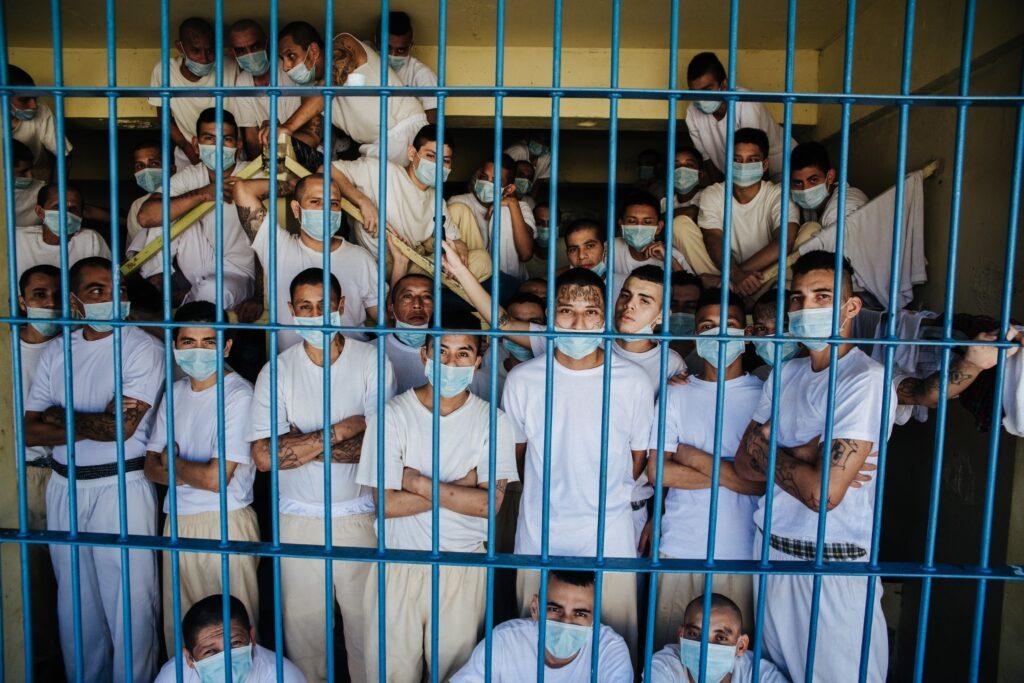
El Salvador’s recent proposal to house U.S. federal prisoners has sparked controversy and legal scrutiny, with the Brennan Center for Justice declaring the offer unlawful. The plan, which aimed to alleviate overcrowding in American prisons by transferring inmates to facilities in El Salvador, raises significant questions about jurisdiction, international law, and prisoner rights. As legal experts weigh in, the debate underscores the complexities of cross-border corrections agreements and the challenges facing the U.S. criminal justice system.
El Salvador’s Proposal Challenges International Legal Standards on Prisoner Transfers
El Salvador’s recent initiative to accept U.S. prisoners as a means to alleviate overcrowded American correctional facilities has sparked significant legal concerns. International legal frameworks, particularly the Transfer of Sentenced Persons treaties, demand strict adherence to procedural safeguards that El Salvador’s proposal appears to sidestep. Critics argue that without comprehensive bilateral agreements explicitly sanctioned by both countries’ judicial systems, such transfers risk violating sovereignty and fundamental human rights protections.
Key points highlighting these legal challenges include:
- Absence of Formal Consent: Transfers under international law typically require explicit consent from the sentencing state and the sentenced person.
- Due Process Concerns: El Salvador’s prisons must meet minimum human rights standards, which have been questioned by independent watchdogs.
- Jurisdictional Conflicts: The U.S. retains prosecutorial authority over transferred inmates, posing enforcement and oversight complications.
| Legal Standard | Requirement | Salvadoran Proposal Status |
|---|---|---|
| Mutual Consent | Signed bilateral agreement | Not yet established |
| Human Rights Compliance | International prison standards | Contested by reports |
| Judicial Oversight | Ongoing legal supervision | Insufficient clarity |
Implications for U.S. Sovereignty and Compliance with Federal Law
The proposal for El Salvador to house U.S. prisoners raises significant concerns about the preservation of national sovereignty. Entrusting foreign jurisdictions with the detention of American citizens could erode the United States’ control over its penal system, potentially compromising the enforcement of justice under federal statutes. This arrangement risks blurring the lines of authority, as U.S. officials might struggle to ensure adherence to domestic legal standards abroad, especially given differing legal frameworks and human rights safeguards.
Moreover, such a transfer confronts stringent federal legal requirements governing prisoner rights, custody, and transfer protocols. Compliance issues may arise regarding:
- Due process guarantees under the U.S. Constitution
- Federal Prison Litigation Reform Act provisions
- Interstate Agreement on Detainers applicability
Without clear legislative authorization, delegating incarceration duties to a foreign state jeopardizes constitutional protections and exposes the U.S. government to potential legal challenges. The integrity of federal law enforcement protocols depends on maintaining jurisdictional clarity and unwavering compliance within U.S. borders.
| Legal Aspect | U.S. Federal Requirements | Potential El Salvador Conflict |
|---|---|---|
| Jurisdiction | Exclusive U.S. control over prisoners | Subject to Salvadoran laws and enforcement |
| Inmate Rights | Constitutional protections guaranteed | Possibility of varied human rights standards |
| Legal Oversight | Federal courts monitor detentions | Limited U.S. judicial reach abroad |
Human Rights Concerns and the Risks of Outsourcing Incarceration Abroad
Outsourcing incarceration to foreign nations like El Salvador raises significant human rights concerns that are often overlooked in political discussions. Detaining U.S. prisoners in overseas facilities subjects them to legal systems with varying standards of due process and protections against mistreatment. Critics warn that such arrangements can increase the risks of abuse, neglect, and inadequate medical care, violating both domestic and international legal obligations. The lack of consistent oversight mechanisms further exacerbates the potential for serious human rights violations, undermining accountability and transparency.
- Jurisdictional Ambiguity: Complicates legal recourse for prisoners.
- Treatment Standards: Varies widely, with potential violations.
- Family Visitation: Severely restricted due to distance.
- International Legal Compliance: Risks breaching treaties.
| Risk Factor | Domestic Prison | Foreign Facility (El Salvador) |
|---|---|---|
| Human Rights Oversight | Strict federal and state | Limited and inconsistent |
| Access to Legal Aid | Guaranteed | Uncertain |
| Medical Support | Regulated healthcare | Often inadequate |
| Family Contact | Regular visits possible | Significantly hindered |
Beyond humanitarian concerns, the outsourcing of incarceration abroad may also conflict with U.S. constitutional protections and international law. The transfer of prisoners to foreign jurisdictions could violate the Non-Detention Act and rules ensuring prisoners retain their legal rights under the U.S. Constitution, including the right to counsel and protection from cruel and unusual punishment. Such arrangements risk setting a dangerous precedent, whereby economic or political interests override fundamental legal standards, potentially eroding the rights and dignity of incarcerated individuals.
Policy Recommendations to Uphold Legal Norms and Protect Prisoner Rights
To ensure adherence to international legal standards, policymakers must prioritize clear jurisdictional limitations and respect for the sovereignty of domestic penal systems. El Salvador’s proposal raises immediate concerns about violations of both U.S. and international law governing prisoner transfers and protections. Legislative frameworks should be reinforced to explicitly prohibit the outsourcing of incarceration to foreign countries lacking transparent oversight mechanisms, thus preserving due process and humane treatment for all detainees.
Key reforms expected in policy guidelines include:
- Strict compliance with the Prison Litigation Reform Act to prevent erosion of prisoner rights through foreign detention policies.
- Mandatory bilateral agreements that guarantee access to legal counsel and family visitation, ensuring compliance with the U.S. Constitution and human rights norms.
- Implementation of an independent oversight body to monitor any cross-border incarceration efforts, enforcing transparency and accountability.
- Regular auditing procedures aligned with international human rights treaties.
| Policy Element | Impact on Prisoner Rights |
|---|---|
| Jurisdictional Enforcement | Protects prisoners from arbitrary detention abroad |
| Bilateral Legal Safeguards | Ensures access to judicial review and humane conditions |
| Oversight Mechanisms | Guarantees transparency and accountability |
| Audit Protocols | Monitors compliance with international laws |
Wrapping Up
In conclusion, El Salvador’s proposal to house U.S. prisoners raises significant legal and ethical concerns that cannot be overlooked. As highlighted by the Brennan Center for Justice, such an arrangement would contravene established international agreements and domestic laws governing the treatment and transfer of incarcerated individuals. Moving forward, policymakers on both sides must carefully evaluate the ramifications of this offer to ensure adherence to legal standards and the protection of prisoners’ rights. The debate underscores the complexities at the intersection of international diplomacy, criminal justice, and human rights—a challenge that demands thorough scrutiny and responsible decision-making.