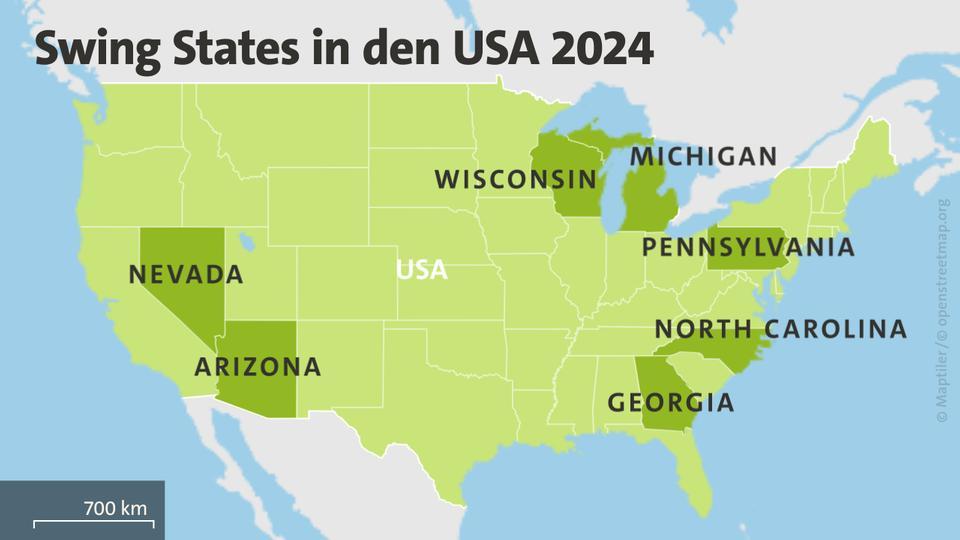
As the United States gears up for its next pivotal election, all eyes are once again on the nation’s swing states—those key battlegrounds that often decide the outcome of presidential races. But which states currently hold this crucial status, and how has this landscape shifted over time? USAFacts provides an in-depth look at the evolving map of swing states, revealing insights into demographic changes, political realignments, and emerging trends that are reshaping the electoral battleground. Understanding these dynamics is essential for grasping the complexities of American electoral politics today.
Current Swing States Defining the 2024 Election Landscape
As the 2024 election cycle heats up, several states have emerged as critical battlegrounds that could determine the final outcome. Traditionally recognized swing states like Pennsylvania, Wisconsin, and Michigan remain pivotal due to their balanced voter demographics and electoral vote weight. However, the landscape has evolved significantly over recent decades, with states such as Arizona and Georgia shifting from reliably red to fiercely competitive territories. This shift is attributed to demographic changes, urbanization, and evolving political attitudes among suburban voters.
Key swing states for 2024 include:
- Arizona
- Georgia
- Pennsylvania
- Michigan
- Wisconsin
- Nevada
- North Carolina
| State | Electoral Votes | Recent Vote Margin (2020) | Shift Since 2000 |
|---|---|---|---|
| Arizona | 11 | +0.3% (D) | Red to Purple |
| Georgia | 16 | +0.2% (D) | Red to Purple |
| Pennsylvania | 19 | +1.2% (D) | Consistent Swing |
| Wisconsin | 10 | +0.6% (D) | Consistent Swing |
| Michigan | 15 | +2.8% (D) | Consistent Swing |
The growing importance of these states has led campaigns to invest heavily in local outreach, emphasizing issues resonating with their diverse electorates. Notably, shifts in youth engagement and minority voter turnout have contributed to the volatility in states like North Carolina and Nevada, further complicating traditional electoral models. As political dynamics continue to evolve, the map of swing states is likely to remain fluid, making them the focal point for candidates from both major parties.
Historical Shifts in Swing State Dynamics and Voter Demographics
Over the decades, the landscape of swing states in the United States has evolved dramatically, shaped by shifting economic landscapes, demographic changes, and cultural trends. States once regarded as firmly partisan have transitioned into pivotal battlegrounds, while others have diminished in electoral significance. For example, the Rust Belt’s decline in manufacturing jobs altered voting behaviors in states like Michigan, Pennsylvania, and Wisconsin, swinging these states toward greater competitiveness in recent elections. Additionally, states in the Sun Belt—such as Arizona and Georgia—have emerged as new swing states thanks to rapid population growth, urbanization, and increasing diversity.
These shifts are underscored by changes in voter demographics that continue to redefine the political map. Younger generations, minority communities, and suburban voters have become key influencers of swing state outcomes. The table below highlights notable demographic trends contributing to these changes:
| Demographic Factor | Impact on Swing States |
|---|---|
| Increasing Hispanic Population | Amplifies competitiveness in states like Nevada and Arizona |
| Growth of Suburban Voters | Creates new battlegrounds in Georgia and North Carolina |
| Aging Rural Populations | Often consolidates conservative support in parts of the Midwest |
| Youth Voter Engagement | Increased turnout in states with sizable college towns like Pennsylvania |
- Electoral volatility: States that once leaned clearly Democratic or Republican now exhibit fluctuating support.
- Migration patterns: Population shifts from older industrial regions to growing metro areas reorient political influence.
- Cultural realignments: Changing social values and economic priorities affect traditional party loyalties.
Impact of Economic and Social Trends on Swing State Alignments
Economic shifts and evolving social dynamics have played pivotal roles in redefining the political landscape of key swing states. States like Michigan, Wisconsin, and Pennsylvania, once solidly Democratic due to their strong manufacturing bases, have experienced economic downturns linked to globalization and automation. This transformation has resulted in a changing voter base, where concerns over job security and economic revival have taken center stage. At the same time, states such as Georgia and Arizona have seen an influx of diverse populations and younger residents whose priorities include healthcare, education, and social equity, injecting a new competitive edge into previously predictable election outcomes.
Several factors are reshaping voter behavior and party alignments across these critical battlegrounds, including:
- Migration patterns: Urbanization and suburban expansion intensify political diversity.
- Economic diversification: Shift from manufacturing to service and tech industries alters economic priorities and political preferences.
- Demographic changes: A growing minority electorate and education level shifts with youth engagement impacting swing state trends.
| State | Economic Trend | Social Shift | Political Impact |
|---|---|---|---|
| Michigan | Manufacturing decline | Urban revitalization | More competitive elections |
| Georgia | Tech and service growth | Increasing diversity | Democratic surge |
| Wisconsin | Rural economic struggle | Increased suburban turnout | Shift toward GOP |
| Arizona | Rapid population growth | Youth voter rise | Swing state status solidified |
Strategic Recommendations for Campaigns Targeting Evolving Battlegrounds
To effectively engage voters in rapidly shifting political landscapes, campaigns must embrace data-driven strategies that respond to localized trends without losing sight of the broader national context. Prioritizing micromarketing tactics, such as targeted digital ads and grassroots outreach, enables teams to address the unique concerns of voters in each battleground. Moreover, maintaining a dynamic feedback loop with ground operations allows for real-time adjustments that can capitalize on sudden momentum shifts.
Investing resources in states with emerging volatility requires a nuanced allocation of funding and personnel. The following table highlights key battleground states that have seen notable changes in voting patterns over the past three election cycles:
| State | Shift | Campaign Focus |
|---|---|---|
| Arizona | Repeating swing behavior, trending Democrat | Suburban voter outreach |
| Georgia | From red to highly competitive | Early voting and minority engagement |
| Wisconsin | Fluctuating margins with rising youth turnout | University and rural campaigns |
| Ohio | Shifting away from battleground status | Resource reallocation advised |
- Continuous voter sentiment analysis is essential to anticipate final outcomes in states where margins are narrow.
- Flexible messaging strategies should reflect evolving local issues, adapting to economic shifts and demographic changes.
- Collaborations with local influencers can bridge the gap between national campaign narratives and community interests.
In Summary
As the political landscape continues to evolve, understanding the dynamics of current swing states remains crucial for both candidates and voters. The shifting allegiances and demographic changes that have redefined these pivotal battlegrounds reflect broader trends in American politics. Staying informed about how these states have changed over time not only sheds light on past electoral outcomes but also offers valuable insights into future elections. As campaigns gear up for the next cycle, keeping an eye on these key regions will be essential in decoding the complex map of the 2024 presidential race.